Best Foods to Eat at Night for a Better Sleep
- Importance of Nighttime Nutrition
- Top Foods to Improve Sleep
- Foods to Avoid Before Bed
- Lifestyle Tips for Better Sleep
- FAQs
Importance of Nighttime Nutrition
Getting a good night’s sleep is crucial for maintaining overall health and well-being. What you eat before bed can have a significant impact on the quality of your sleep. Consuming the right foods can help you fall asleep faster and enjoy a more restful night. On the other hand, certain foods can disrupt your sleep cycle, leading to insomnia and other sleep-related issues. By understanding the role of nighttime nutrition, you can make informed choices that enhance your sleep quality.
Top Foods to Improve Sleep
1. Almonds
Almonds are an excellent source of magnesium, a mineral that has been shown to improve sleep quality, especially in individuals with insomnia. Magnesium helps reduce inflammation and lower levels of the stress hormone cortisol, which can interrupt sleep.
2. Turkey
Turkey is rich in tryptophan, an amino acid that increases the production of melatonin, the hormone that regulates sleep. Eating a small amount of turkey before bed can help you feel sleepy and improve the quality of your rest.
3. Chamomile Tea
Chamomile tea is known for its calming effects and is often used as a natural remedy for insomnia. It contains antioxidants that may promote sleepiness and reduce anxiety, making it an ideal beverage to consume before bedtime.
4. Kiwi
Kiwi is a low-calorie and nutritious fruit that can improve sleep quality. It is rich in serotonin, a neurotransmitter that helps regulate your sleep cycle. Eating kiwi before bed may help you fall asleep faster and stay asleep longer.
5. Warm Milk
Drinking warm milk before bed is a traditional remedy for insomnia. Milk contains tryptophan and calcium, both of which help the brain use tryptophan to create melatonin, thereby promoting sleep.
Foods to Avoid Before Bed
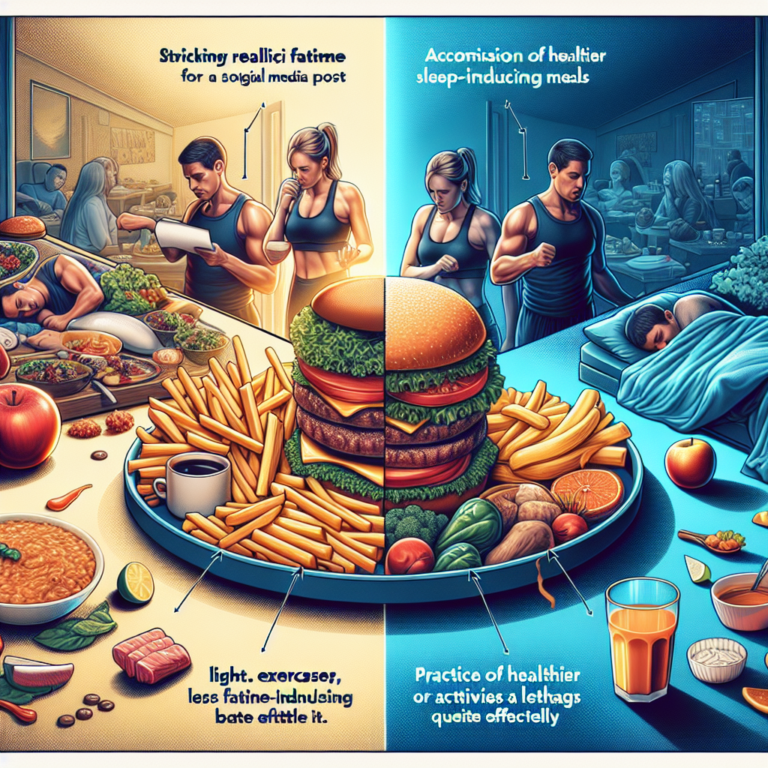
While certain foods can enhance sleep, others can disrupt your sleep cycle. It’s important to be aware of these to avoid a restless night.
1. Caffeine
Caffeine is a stimulant that can keep you awake and alert. It’s best to avoid coffee, tea, chocolate, and energy drinks several hours before bedtime.
2. Spicy Foods
Consuming spicy foods close to bedtime can cause indigestion and heartburn, making it difficult to fall asleep. It’s advisable to have these foods earlier in the day.
3. High-Sugar Foods
Foods high in sugar can cause spikes in your blood glucose levels, leading to energy bursts that can interrupt your sleep. Opt for snacks that have low sugar content.
Lifestyle Tips for Better Sleep
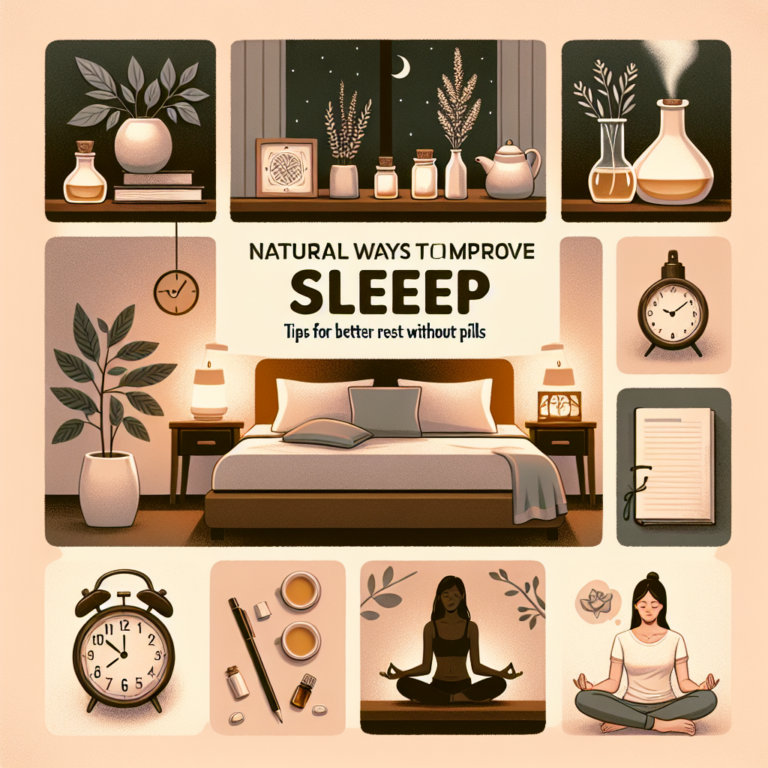
Besides food, your lifestyle habits also play a significant role in the quality of your sleep. Here are some practical tips to enhance your nighttime routine:
- Maintain a consistent sleep schedule by going to bed and waking up at the same time every day.
- Create a relaxing bedtime routine, such as reading a book or taking a warm bath.
- Limit screen time before bed as the blue light from devices can interfere with melatonin production.
- Ensure your bedroom environment is conducive to sleep by keeping it dark, cool, and quiet.
FAQs
What are the best drinks for better sleep?
Warm milk, chamomile tea, and herbal teas like valerian root are excellent choices for promoting sleep.
How long before bed should I stop eating?
It’s advisable to stop eating at least 2-3 hours before bed to allow your body time to digest the food and wind down.
Can I have a snack before bed?
Yes, a light snack that is rich in sleep-promoting nutrients like almonds or a banana can be beneficial.
Do supplements help with sleep?
Supplements such as melatonin, magnesium, and valerian root can aid sleep, but it’s best to consult a healthcare provider before using them.
Is it okay to exercise before bed?
While exercise is beneficial for sleep, it’s better to avoid vigorous exercise right before bed. Try to finish any workout at least a few hours before sleeping.