Feeling Low Energy Every Day? Discover Natural Ways to Boost Your Vitality
- Understanding Low Energy
- Natural Remedies to Boost Energy
- Lifestyle Changes for Sustained Energy
- The Importance of Sleep
- Dietary Considerations
- Frequently Asked Questions
Understanding Low Energy
Feeling low energy every day can be frustrating and impact your ability to perform daily tasks. It’s vital to understand that this isn’t just about feeling tired; it’s often a complex interaction of several factors that can be physiological, psychological, or lifestyle-related.
Common causes include poor diet, lack of sleep, and stress. Identifying the root cause is the first step towards regaining your vitality.
Natural Remedies to Boost Energy
Exploring natural remedies is a great way to start your journey towards improved energy levels. Here are some effective strategies:
- Herbal Supplements: Adaptogens like ginseng, ashwagandha, and rhodiola can help manage stress and boost energy.
- Aromatherapy: Essential oils such as peppermint and citrus can invigorate your senses and enhance alertness.
- Mindfulness and Meditation: These practices help reduce stress and improve focus, contributing to higher energy levels.
Lifestyle Changes for Sustained Energy
Implementing certain lifestyle changes can lead to a significant improvement in your energy levels:
Physical Activity
Regular exercise is crucial. It boosts endorphins, improves sleep, and enhances mood. Aim for at least 30 minutes of moderate activity most days of the week.
Hydration
Dehydration can lead to fatigue. Ensure you’re drinking enough water throughout the day, aiming for at least 2 liters depending on your activity level and climate.
The Importance of Sleep
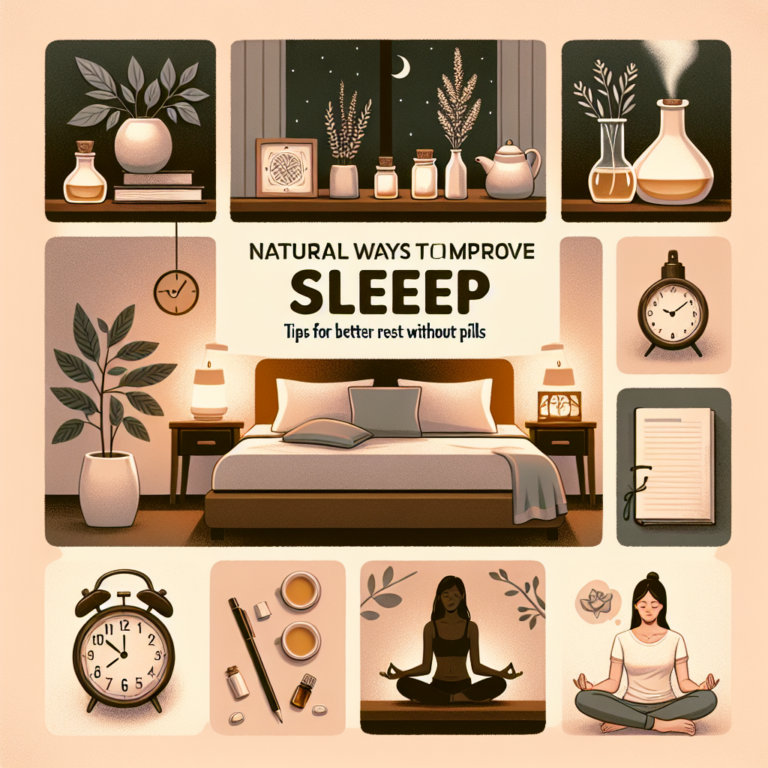
Sleep is one of the most significant factors affecting energy. Aiming for 7-9 hours of quality sleep each night can dramatically improve your energy levels. Here are some tips:
- Establish a Routine: Go to bed and wake up at the same time every day.
- Create a Restful Environment: Ensure your bedroom is dark, cool, and quiet.
- Limit Screen Time: Avoid screens an hour before bedtime to enhance sleep quality.
Dietary Considerations
Your diet plays a critical role in how energetic you feel. Consider the following:
Balance Your Meals
Incorporate a balance of carbohydrates, proteins, and fats for sustained energy. Avoid skipping meals, especially breakfast.
Limit Sugar and Processed Foods
High sugar and processed foods can lead to energy crashes. Opt for whole foods like fruits, vegetables, and whole grains.
Micronutrients
Ensure adequate intake of iron, vitamin B12, and magnesium, which are essential for energy production.
Frequently Asked Questions
Why do I feel tired even after sleeping well?
Feeling tired despite good sleep can be due to factors like stress, poor diet, or underlying health conditions. It’s advisable to evaluate your lifestyle and consult with a healthcare professional if the issue persists.
Can dehydration cause low energy?
Yes, dehydration is a common cause of fatigue. Ensure adequate fluid intake throughout the day to maintain energy levels.
Are there specific foods that boost energy?
Foods rich in complex carbohydrates, proteins, and healthy fats, like oats, nuts, and leafy greens, can provide sustained energy.
How does stress affect my energy levels?
Stress triggers the release of hormones like cortisol, which can lead to fatigue. Managing stress through techniques like mindfulness can improve energy.
Is caffeine a good way to boost energy?
While caffeine can provide a temporary boost, reliance on it can lead to energy crashes. Moderation is key, and it’s essential to focus on sustainable energy solutions.
“`