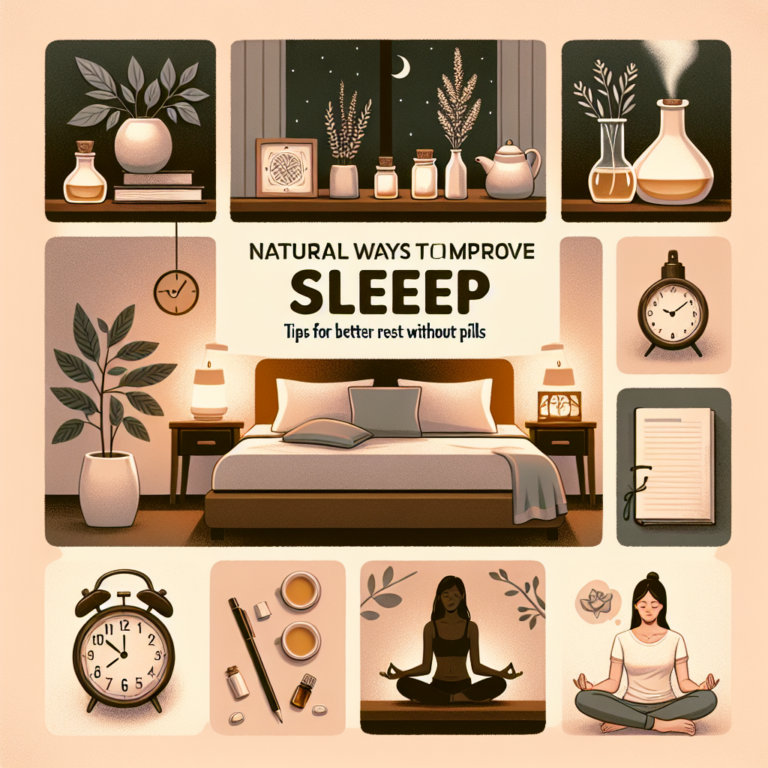
Natural Ways to Calm Your Mind and Find Inner Peace
- Why Calming Your Mind is Important
- Breathing Techniques to Reduce Stress
- Practicing Mindfulness and Meditation
- Herbal Remedies for a Peaceful Mind
- Lifestyle Changes for Mental Calm
- Frequently Asked Questions
Why Calming Your Mind is Important
In today’s fast-paced world, it’s easy to feel overwhelmed and stressed. However, maintaining a calm mind is essential for overall well-being and health. A peaceful mind allows for better decision-making, improved relationships, and a greater sense of happiness. It’s important to understand that stress not only affects mental health but also has physical repercussions. Therefore, finding natural ways to calm your mind can lead to a more balanced and fulfilling life.
Breathing Techniques to Reduce Stress
One of the simplest yet most effective ways to calm your mind is through controlled breathing. Deep breathing exercises can significantly reduce stress levels by promoting relaxation and decreasing heart rate.
How to Practice Deep Breathing
- Find a quiet place and sit comfortably.
- Close your eyes and take a deep breath in through your nose for a count of four.
- Hold your breath for a count of four.
- Exhale slowly through your mouth for a count of six.
- Repeat this cycle for five to ten minutes.
This practice can be done anywhere and anytime you feel stress creeping in. The key is consistency and making it a habit.
Practicing Mindfulness and Meditation
Mindfulness and meditation are powerful tools in the quest for a calm mind. They help in focusing the mind, reducing negative emotions, and enhancing overall emotional health.
Steps to Begin Meditation
- Start with short sessions of five minutes and gradually increase the duration.
- Choose a focus point, like your breath or a mantra.
- When your mind wanders, gently bring your attention back to your focus.
With regular practice, meditation can become a cornerstone of your mental health routine, providing long-term benefits.
Herbal Remedies for a Peaceful Mind
Nature offers a variety of herbal remedies that can aid in calming the mind. Some popular options include:
Calming Herbs to Consider
- Chamomile: Known for its soothing properties, chamomile tea can help reduce anxiety and promote sleep.
- Lavender: The scent of lavender is often used in aromatherapy to alleviate stress and anxiety.
- Valerian Root: Commonly used as a sleep aid, it also helps reduce stress levels.
Incorporating these herbs into your daily routine can provide a natural way to enhance your mental tranquility.
Lifestyle Changes for Mental Calm
Beyond specific techniques and remedies, certain lifestyle changes can contribute significantly to a calmer mind.
Implementing Positive Changes
- Regular Exercise: Physical activity releases endorphins, which naturally improve mood and reduce stress.
- Healthy Diet: Consuming a balanced diet rich in fruits, vegetables, and whole grains supports brain health.
- Quality Sleep: Ensuring you get adequate rest is crucial for mental clarity and emotional stability.
- Digital Detox: Taking breaks from screens can help reduce mental clutter and improve focus.
These changes, while simple, can have a profound impact on your mental health if practiced consistently.
Frequently Asked Questions
What is the best time to practice meditation?
Meditation can be practiced at any time of the day, but many find it effective in the morning to set a positive tone for the day.
How long does it take to see benefits from deep breathing exercises?
Some benefits, such as immediate stress relief, can be felt right away. Long-term benefits may take a few weeks of consistent practice.
Are there any side effects of using herbal remedies?
Generally, herbal remedies are safe when used as directed, but it’s always best to consult with a healthcare provider, especially if you are pregnant or have existing health conditions.
Can lifestyle changes really impact mental health?
Yes, lifestyle changes such as improved diet, regular exercise, and good sleep hygiene can significantly enhance mental well-being.
Is it necessary to practice all these methods to calm the mind?
No, it’s not necessary. It’s important to find what works best for you and incorporate those practices into your daily routine.
“`