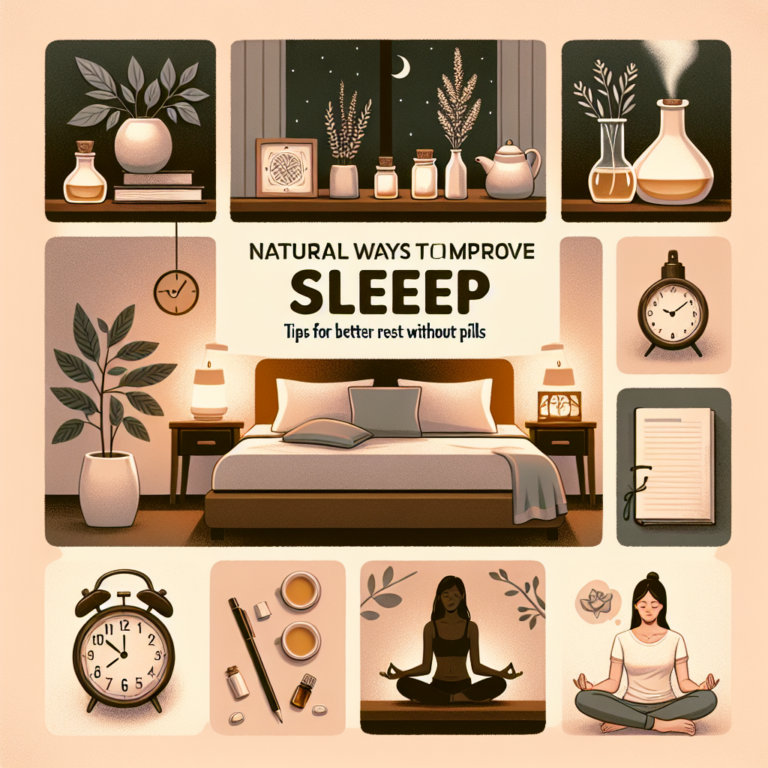
Natural Ways to Enhance Your Sleep Quality
- The Importance of Quality Sleep
- Natural Methods to Improve Sleep
- Lifestyle Changes for Better Sleep
- Common Mistakes to Avoid
- Frequently Asked Questions
The Importance of Quality Sleep
Achieving quality sleep is essential for maintaining overall health and well-being. Sleep is not just a time for rest; it plays a crucial role in several bodily functions. During sleep, your body repairs itself, consolidates memories, and regulates hormones. Poor sleep can lead to a variety of health problems, including weakened immunity, weight gain, and decreased cognitive function. Therefore, understanding and enhancing your sleep quality naturally is vital for a healthier life.
Natural Methods to Improve Sleep
There are numerous natural approaches you can adopt to improve your sleep quality. Here are some effective methods:
1. Establish a Consistent Sleep Schedule
Going to bed and waking up at the same time every day helps regulate your body’s internal clock. Try to maintain this schedule, even on weekends, to promote better sleep.
2. Create a Relaxing Bedtime Routine
Engage in calming activities before bed, such as reading or taking a warm bath. This helps signal to your body that it’s time to wind down and prepare for sleep.
3. Optimize Your Sleep Environment
Ensure your bedroom is conducive to sleep. Keep the room dark, cool, and quiet. Consider using blackout curtains, earplugs, or a white noise machine to block out disturbances.
4. Mind Your Diet
Avoid heavy meals, caffeine, and alcohol close to bedtime. Instead, opt for a light snack if you’re hungry, such as a banana or a small bowl of oatmeal, which can promote sleep.
Lifestyle Changes for Better Sleep
Making certain lifestyle adjustments can significantly impact your sleep quality:
Regular Exercise
Engaging in regular physical activity can help you fall asleep faster and enjoy deeper sleep. However, avoid vigorous exercise close to bedtime as it may have the opposite effect.
Manage Stress
High stress levels can interfere with sleep. Techniques such as meditation, deep breathing exercises, and yoga can help reduce stress and promote relaxation.
Limit Screen Time
The blue light emitted by phones, tablets, and computers can disrupt your sleep cycle. Try to avoid screens at least an hour before bedtime to help your body prepare for rest.
Common Mistakes to Avoid
To improve your sleep quality, it’s crucial to avoid common pitfalls:
- Using electronics in bed
- Inconsistent sleep schedule
- Consuming caffeine late in the day
- Taking long naps during the day
- Ignoring signs of sleep disorders
Frequently Asked Questions
What are the consequences of poor sleep quality?
Poor sleep quality can lead to numerous health issues, including increased stress levels, impaired memory, and a higher risk of chronic conditions like heart disease and diabetes.
How many hours of sleep do I need each night?
Most adults require 7-9 hours of sleep per night. However, individual needs can vary, so it’s important to pay attention to how you feel and adjust accordingly.
Can natural supplements help improve sleep?
Yes, some natural supplements like melatonin, valerian root, and chamomile can support better sleep. However, it’s best to consult with a healthcare provider before starting any new supplement.
Is it okay to nap during the day?
Short naps, lasting 20-30 minutes, can be beneficial for boosting energy and alertness. However, long or irregular napping can disrupt your nighttime sleep.
How long does it take to see improvements in sleep quality?
Improvements in sleep quality can vary from person to person. Consistently applying healthy sleep habits may lead to noticeable changes within a few weeks.
By following these natural methods and making simple lifestyle changes, you can significantly enhance your sleep quality and, consequently, your overall well-being. Remember, better sleep is within your reach, and small adjustments can make a big difference.
“`