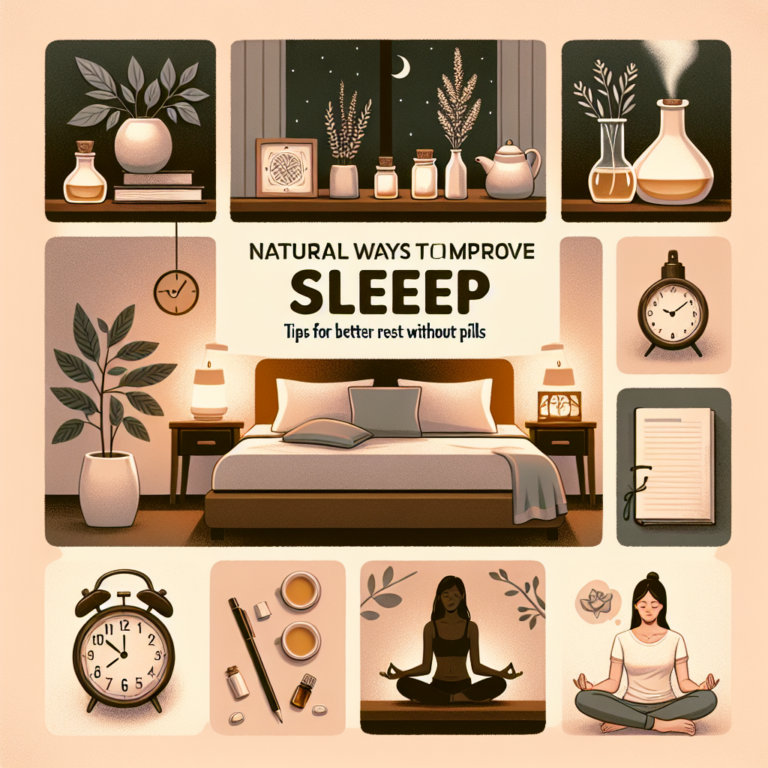
Discover Natural Ways to Improve Sleep Without Medication
- The Importance of Sleep
- Lifestyle Changes for Better Sleep
- Diet and Nutrition
- Relaxation Techniques
- Frequently Asked Questions
The Importance of Sleep
Sleep is a critical component of our overall health and well-being. It is essential for restoring energy, repairing tissues, and consolidating memory. A lack of quality sleep can lead to a variety of health issues, including weakened immunity, mood disorders, and decreased cognitive function. Therefore, improving sleep naturally is an important goal for many individuals seeking a healthier lifestyle.
Lifestyle Changes for Better Sleep
Maintain a Consistent Sleep Schedule
One of the most effective ways to improve sleep is to maintain a regular sleep schedule. Going to bed and waking up at the same time each day helps regulate the body’s internal clock, making it easier to fall asleep and wake up naturally.
Create a Sleep-Friendly Environment
Your bedroom should be a sanctuary for sleep. Keep it cool, dark, and quiet. Consider using blackout curtains, earplugs, or a white noise machine to minimize disruptions. A comfortable mattress and pillow can also make a significant difference in sleep quality.
Limit Exposure to Screens
Electronic devices emit blue light, which can interfere with the production of melatonin, a hormone that regulates sleep. Try to avoid screens at least an hour before bedtime. Instead, engage in relaxing activities like reading a book or listening to soothing music.
Diet and Nutrition
Avoid Caffeine and Heavy Meals
Caffeine is a stimulant that can keep you awake, so it’s best to avoid it in the afternoon and evening. Similarly, large or heavy meals can cause discomfort and disrupt your sleep. Opt for a light snack if you’re hungry before bed.
Incorporate Sleep-Inducing Foods
- Almonds: Rich in magnesium, which may help improve sleep quality.
- Chamomile tea: Known for its calming effects and ability to promote sleep.
- Kiwi: Contains serotonin, which can help regulate sleep cycles.
Relaxation Techniques
Practice Mindfulness and Meditation
Mindfulness and meditation can significantly reduce stress and anxiety, which are common barriers to sleep. Dedicate a few minutes each day to practice deep breathing or guided meditation to calm your mind before bedtime.
Try Progressive Muscle Relaxation
This technique involves tensing and then slowly releasing each muscle group in the body, starting from your toes and moving up to your head. It can help reduce physical tension and promote relaxation, making it easier to fall asleep.
Frequently Asked Questions
What should I do if I can’t fall asleep?
If you find yourself unable to sleep after 20 minutes, get out of bed and do a quiet, relaxing activity until you feel sleepy. Avoid using electronic devices during this time.
How can I wake up feeling more refreshed?
Try to complete a full sleep cycle, which lasts about 90 minutes. Waking up at the end of a sleep cycle can make you feel more refreshed and alert.
Can exercise help improve my sleep?
Yes, regular physical activity can promote better sleep. However, try to avoid vigorous exercise close to bedtime as it may interfere with your ability to fall asleep.
Is it okay to nap during the day?
Napping can be beneficial, but keep it short (20-30 minutes) and avoid napping late in the day to prevent disrupting your nighttime sleep.
Are there any natural supplements for sleep?
Some people find that melatonin or valerian root supplements help with sleep. However, it’s important to consult with a healthcare provider before trying any new supplement.
Improving sleep naturally is a journey that involves making various lifestyle adjustments and finding what works best for you. By incorporating these strategies, you can enhance your sleep quality and overall health without relying on medication.
“`