Discover Natural Ways to Reduce Stress at Home
- Understanding Stress and Its Impacts
- Creating a Relaxing Environment at Home
- The Power of Mindfulness and Meditation
- Incorporating Physical Activity
- Nourishing Your Body with the Right Foods
- Frequently Asked Questions
Understanding Stress and Its Impacts
Stress is a natural response of the body to challenging situations. While it can sometimes serve a beneficial purpose by enhancing focus and energy, chronic stress can have detrimental effects on both mental and physical health. Symptoms can include headaches, fatigue, anxiety, and even depression. Understanding the root causes of stress is the first step towards managing it effectively.
Creating a Relaxing Environment at Home
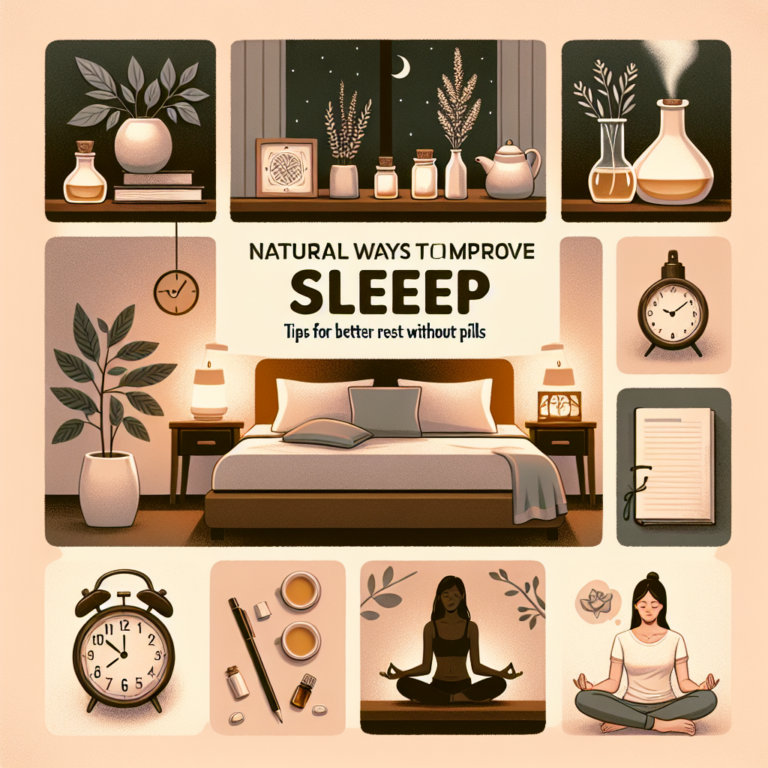
Your home should be a sanctuary where you can unwind and rejuvenate. To create a calming atmosphere, consider the following tips:
- Declutter your space: A tidy environment can significantly reduce mental clutter.
- Use calming colors: Soft blues, greens, and earth tones can promote relaxation.
- Incorporate nature: Houseplants and natural light can bring tranquility to your home.
- Establish a routine: Having a regular schedule can provide structure and reduce uncertainty.
The Power of Mindfulness and Meditation
Practicing mindfulness and meditation can be a transformative way to handle stress. These techniques help us to live in the moment and cultivate a sense of peace. Here’s how you can start:
- Set aside time: Dedicate at least 10 minutes a day to practice.
- Find a quiet space: Choose a comfortable spot where you won’t be disturbed.
- Focus on your breath: Pay attention to your breathing, and let go of wandering thoughts.
Additionally, guided meditation apps can be a helpful resource for beginners who want to learn effective techniques.
Incorporating Physical Activity
Engaging in regular physical activity is a proven way to reduce stress. Exercise releases endorphins, which are natural mood lifters. Here are some ideas to incorporate into your routine:
- Yoga: Combines physical postures, breathing exercises, and meditation to enhance overall well-being.
- Walking: A simple walk around your neighborhood can clear your mind and improve your mood.
- Dance: Moving to your favorite music can be a joyful way to relieve stress.
By making physical activity a regular habit, you not only relieve stress but also boost your overall health.
Nourishing Your Body with the Right Foods
The foods we consume play a crucial role in our mental health. Eating a balanced diet can help stabilize mood and energy levels. Consider the following dietary tips:
- Eat whole foods: Incorporate plenty of fruits, vegetables, whole grains, and lean proteins.
- Stay hydrated: Adequate water intake is essential for mental clarity and energy.
- Limit caffeine and sugar: These can contribute to anxiety and mood swings.
It’s important to remember that small, consistent changes in diet can make a significant impact over time.
Frequently Asked Questions
What are the most common signs of stress?
Common signs include headaches, muscle tension, fatigue, irritability, and difficulty sleeping. Identifying these symptoms early can help you manage stress more effectively.
How quickly can I expect to see results from stress-reducing techniques?
Results can vary from person to person. Some individuals may notice improvements in a few days, while others may take several weeks. Consistency is key.
Are there any specific foods that help in reducing stress?
Foods rich in omega-3 fatty acids, such as salmon, and those high in antioxidants like berries, can help combat stress. Herbal teas, such as chamomile and peppermint, are also known for their calming effects.
Can stress affect my physical health?
Yes, chronic stress can lead to health issues such as heart disease, digestive problems, and a weakened immune system. It’s important to manage stress to maintain overall health.
Is it necessary to consult a professional for stress management?
If stress becomes overwhelming and affects your daily life, consulting a mental health professional can provide additional support and strategies tailored to your needs.
By understanding and implementing these natural strategies, you can create a peaceful home environment and improve your overall well-being. Remember, managing stress is an ongoing process that requires patience and dedication.