Understanding Nighttime Anxiety: Why Do You Feel Anxious at Night?
- What is Nighttime Anxiety?
- Causes of Nighttime Anxiety
- Impact on Health
- Natural Remedies to Ease Nighttime Anxiety
- Lifestyle Changes to Combat Anxiety
- Frequently Asked Questions
What is Nighttime Anxiety?
Nighttime anxiety refers to the feelings of unease, worry, or fear that many people experience as they prepare for bed or try to sleep. It often manifests as a racing mind, increased heart rate, or difficulty in relaxing. This type of anxiety can significantly disrupt your sleep pattern and overall well-being. Understanding its characteristics is the first step towards managing it effectively.
Causes of Nighttime Anxiety
Various factors can contribute to why you might feel anxious at night. Here are some common causes:
- Stress: Daily stressors, whether related to work, relationships, or personal goals, can accumulate and become overwhelming at night.
- Overthinking: The quiet of the night often leads to overthinking as the brain processes the day’s events or worries about the future.
- Biological Factors: Hormonal imbalances or fluctuations can also play a role in nighttime anxiety.
- Diet and Lifestyle: Consuming caffeine or sugar late in the day, or an irregular sleep schedule, can exacerbate feelings of anxiety.
Impact on Health
Nighttime anxiety not only affects your sleep quality but can also have broader implications for your health. Poor sleep can lead to a weakened immune system, impaired cognitive function, and increased risk of chronic conditions such as hypertension. It’s crucial to address anxiety to maintain both mental and physical health.
Natural Remedies to Ease Nighttime Anxiety
There are several natural methods you can try to alleviate nighttime anxiety:
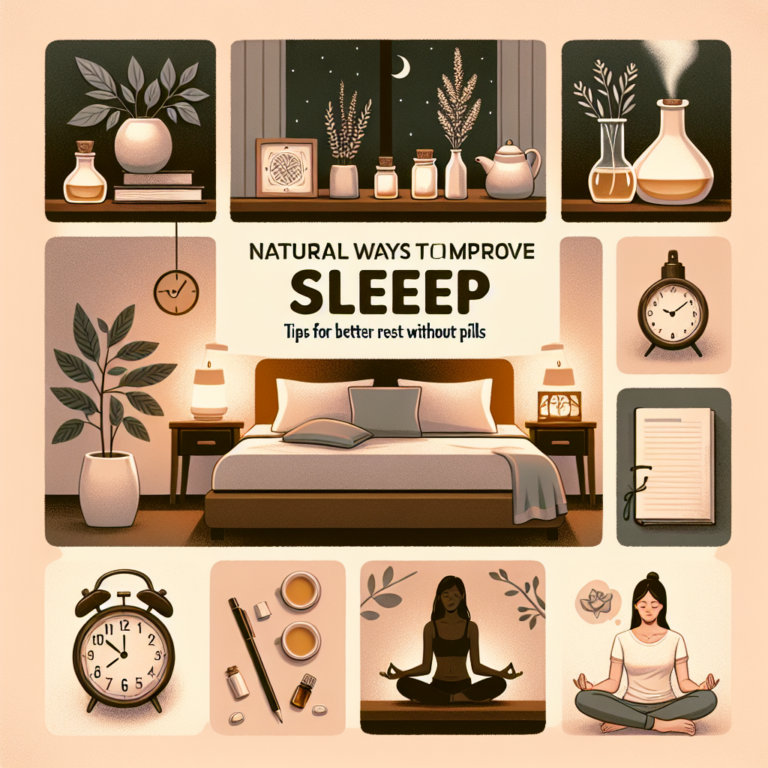
- Herbal Teas: Chamomile or lavender tea can have a calming effect, helping you relax before bed.
- Aromatherapy: Essential oils like lavender or bergamot can promote relaxation when diffused in your bedroom.
- Mindfulness Meditation: Practicing mindfulness can help you focus on the present moment and reduce anxiety-provoking thoughts.
- Deep Breathing Exercises: Engage in deep breathing exercises to lower your heart rate and promote a sense of calm.
Lifestyle Changes to Combat Anxiety
Adopting certain lifestyle changes can significantly reduce your nighttime anxiety:
- Regular Exercise: Physical activity releases endorphins, which can improve mood and reduce stress.
- Consistent Sleep Schedule: Going to bed and waking up at the same time each day helps regulate your body’s internal clock.
- Limit Screen Time: Reducing exposure to screens at least an hour before bed can enhance sleep quality.
- Healthy Diet: Eating a balanced diet rich in nutrients can support mental health and reduce anxiety symptoms.
Frequently Asked Questions
What is the best way to calm anxiety at night?
Practicing relaxation techniques such as deep breathing, meditation, or listening to soothing music can help calm anxiety at night.
Can diet affect nighttime anxiety?
Yes, consuming caffeine, sugar, or heavy meals close to bedtime can increase anxiety levels. A balanced diet can positively impact mental health.
How does exercise influence nighttime anxiety?
Exercise releases endorphins, which can improve mood and reduce stress, thereby decreasing anxiety levels at night.
Why do I feel anxious for no reason at night?
Sometimes anxiety can occur without a clear trigger due to accumulated stress, hormonal changes, or lifestyle factors.
Is it normal to experience anxiety only at night?
It’s not uncommon for anxiety to intensify at night due to the day’s stressors catching up with you or the lack of distractions.