Why Do You Feel Tired After Sleeping Too Much?
- Introduction
- Understanding the Sleep Cycle
- Effects of Oversleeping on the Body
- Tips for Achieving Better Sleep
- Frequently Asked Questions
Introduction
Have you ever woken up feeling more exhausted than when you went to bed, despite having slept for more than eight hours? You’re not alone. Many people experience fatigue after oversleeping, and understanding the reasons behind this can help you take steps to improve your sleep quality and overall health.
Understanding the Sleep Cycle
How Sleep Works
Sleep is divided into several stages that repeat in cycles throughout the night. These stages include light sleep, deep sleep, and REM sleep. Each plays a crucial role in restoring your body and mind.
The Importance of Sleep Quality
It’s not just the quantity of sleep that matters, but the quality. A disrupted sleep cycle can leave you feeling unrested, even if you’ve slept for a long time. Factors such as stress, irregular sleep patterns, and environmental disturbances can significantly impact sleep quality.
Effects of Oversleeping on the Body
Physical Consequences
Oversleeping can lead to several physical problems. Regularly sleeping more than nine hours can contribute to headaches, back pain, and an increased risk of obesity. Balance is key to maintaining physical health.
Mental Health Impacts
Surprisingly, too much sleep can also affect your mental health. Research has shown links between oversleeping and increased rates of depression and anxiety. This might be due to the disruption of circadian rhythms and hormonal imbalances.
Tips for Achieving Better Sleep
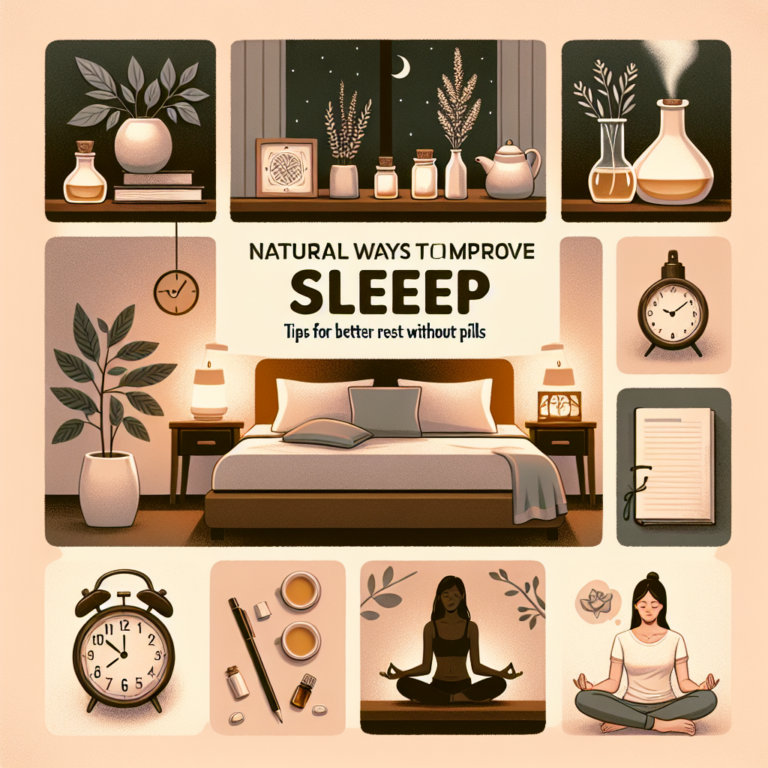
Establish a Sleep Routine
Going to bed and waking up at the same time every day helps regulate your body’s clock. Try to maintain a consistent schedule, even on weekends.
Create a Relaxing Environment
Ensure your bedroom is conducive to sleep. This means a comfortable mattress, a cool room temperature, and minimal noise and light. Consider using blackout curtains or a white noise machine if needed.
Limit Screen Time Before Bed
The blue light emitted by phones and computers can interfere with your ability to fall asleep. Aim to unplug at least an hour before bed.
Mind Your Diet and Exercise
Avoid heavy meals, caffeine, and alcohol before bed. Regular exercise can also help you fall asleep faster and enjoy deeper sleep.
Frequently Asked Questions
What is the ideal amount of sleep for adults?
Most adults need between 7 to 9 hours of sleep per night to function optimally. However, individual needs may vary based on factors like age, lifestyle, and health.
Can oversleeping cause health problems?
Yes, consistently sleeping more than necessary can be linked to health issues such as obesity, diabetes, and heart disease. It’s important to aim for a balanced amount of sleep.
Why do I feel groggy after a long sleep?
Feeling groggy, known as sleep inertia, can occur when you wake up during a deep sleep stage. It might also be related to disrupted sleep cycles or oversleeping.
Is napping during the day beneficial?
Short naps of 20-30 minutes can be refreshing and improve alertness. However, long naps can interfere with your nighttime sleep and make you feel more tired.
How can I improve my sleep quality?
Improving sleep quality involves maintaining a consistent sleep schedule, creating a restful environment, and practicing good sleep hygiene. Limiting caffeine and screen time before bed can also help.