Understanding the Feeling of Anxiety Without an Apparent Cause
- What is Anxiety?
- Possible Causes of Feeling Anxious for No Reason
- Natural Remedies to Manage Anxiety
- Lifestyle Changes to Reduce Anxiety
- When to Seek Professional Help
- Frequently Asked Questions
What is Anxiety?
Feeling anxious is a natural human response to stress. It can manifest as a feeling of apprehension or fear about what’s to come. However, experiencing anxiety for no apparent reason can be confusing and unsettling. Anxiety is a broad term that encompasses various disorders, each with unique features, but they generally involve excessive fear or worry.
Possible Causes of Feeling Anxious for No Reason
While it might seem like anxiety arises spontaneously, there are often underlying factors. Here are some possible causes:
- Genetics: A family history of anxiety can increase the likelihood of experiencing it.
- Biological Factors: Imbalances in brain chemistry, particularly neurotransmitters like serotonin and dopamine, can contribute.
- Environmental Stress: Even if not immediately apparent, ongoing stressors like work pressure or relationship issues can build up.
- Dietary Habits: High caffeine or sugar intake may exacerbate feelings of anxiety.
- Sleep Patterns: Lack of sleep or poor quality sleep can significantly affect mental health.
Natural Remedies to Manage Anxiety
Exploring natural remedies can be a gentle way to manage anxiety without the side effects of medication. Consider the following options:
Herbal Teas
Herbal teas like chamomile or lavender can have a calming effect. These herbs are known for their soothing properties and can be a simple way to unwind.
Aromatherapy
Essential oils like lavender and bergamot are popular for promoting relaxation. Using a diffuser or adding a few drops to a bath can create a peaceful environment.
Mindfulness and Meditation
Practices such as mindfulness and meditation encourage present-moment awareness and can reduce the swirling thoughts associated with anxiety.
Lifestyle Changes to Reduce Anxiety
Incorporating certain lifestyle changes can have a profound impact on anxiety levels. Here are some strategies:
Regular Exercise
Physical activity releases endorphins, which are natural mood lifters. Aim for at least 30 minutes of moderate exercise most days of the week.
Balanced Diet
A diet rich in whole foods, fruits, vegetables, and lean proteins supports overall mental health. Avoid excessive caffeine, sugar, and processed foods.
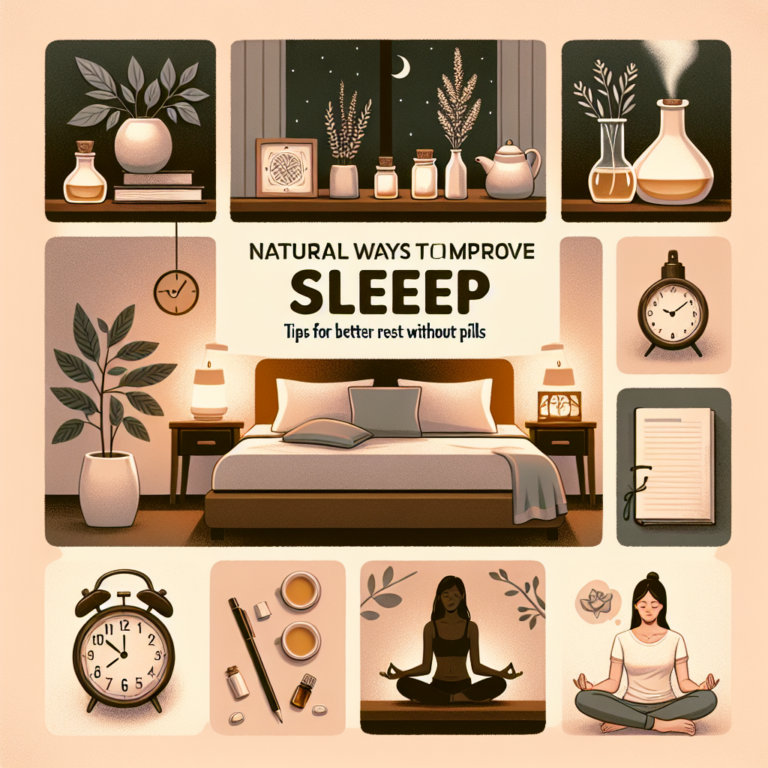
Sleep Hygiene
Maintaining a regular sleep schedule and creating a restful sleep environment can improve sleep quality, thus reducing anxiety.
Social Connections
Spending time with friends and family or engaging in community activities can provide a support system and reduce feelings of isolation.
When to Seek Professional Help
While natural remedies and lifestyle changes can be effective, it’s important to know when to seek professional help. If anxiety is interfering with daily life, causing distress, or persisting despite self-care efforts, it may be time to consult a healthcare professional. Therapies like cognitive-behavioral therapy (CBT) or medication can be valuable in managing anxiety disorders.
Frequently Asked Questions
Can anxiety occur without a trigger?
Yes, anxiety can sometimes arise without an identifiable trigger. This is often due to underlying factors like genetics or brain chemistry.
Is it normal to feel anxious every day?
While occasional anxiety is normal, feeling anxious every day could indicate an anxiety disorder, which may require professional evaluation.
What foods should I avoid if I have anxiety?
Limiting caffeine, sugar, and processed foods can help manage anxiety as they can exacerbate symptoms.
How can I calm myself quickly when feeling anxious?
Deep breathing, grounding techniques, and using calming essential oils like lavender can help reduce anxiety quickly.
Are there any supplements that help with anxiety?
Supplements like omega-3 fatty acids, magnesium, and B vitamins have been shown to support mental health, but it’s best to consult a healthcare provider before starting any new supplement regimen.
Understanding why you might feel anxious without an obvious cause is the first step towards managing it effectively. By exploring natural remedies, making lifestyle changes, and knowing when to seek professional help, you can navigate anxiety with greater ease and confidence.
“`