Are At-Home Beauty Devices Worth It? 2026 Cost-Saving Guide
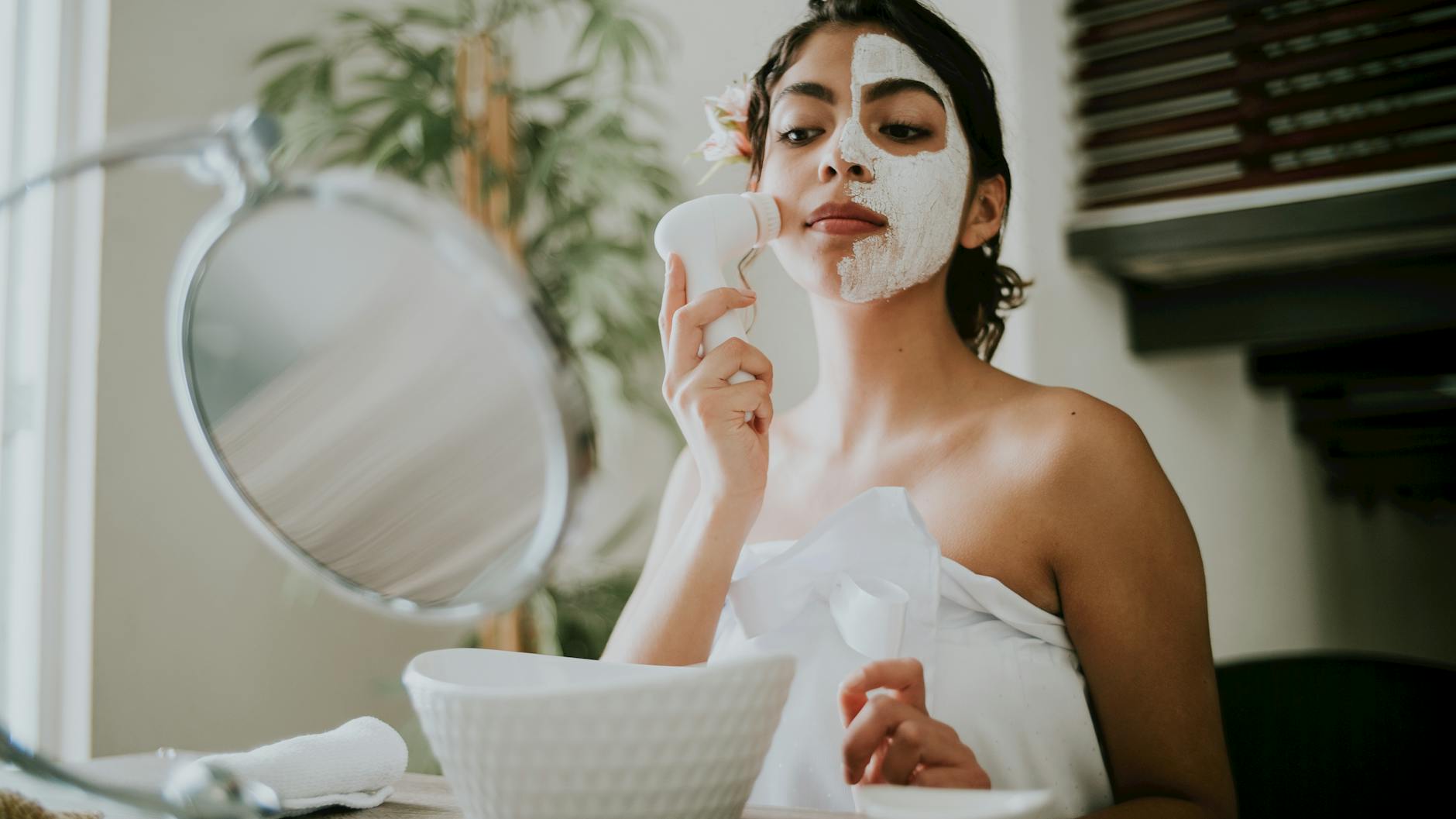
The personal care market has undergone a radical transformation. Shifting professional salon treatments to the comfort of our living rooms is no longer just a passing trend; in 2026, it has become a consolidated financial and time-saving strategy. From high-tech hair stylers to advanced microcurrent and radiofrequency systems, at-home beauty devices promise professional-grade results without the prohibitive price tags of aesthetic clinics.
The key question on many consumers' minds is not just whether these devices work, but whether they actually save money in the medium to long run. Investing in home beauty technology requires a significant upfront cost that can strain your monthly budget if not planned carefully. In this detailed analysis, we evaluate the real economic impact of these tools, their safety, and how to make every dollar spent worth it.

The Rise of At-Home Esthetic Tech in 2026
The democratization of technology has allowed patents once reserved for dermatologists and elite stylists to fit right into a makeup bag. Consumers are looking to optimize their time and reduce recurring visits to aesthetic centers, where prices have risen by over 18% in the last two years due to increased energy and clinic supply costs. This economic shift has boosted the sales of devices promising facial rejuvenation, permanent hair removal, and salon-quality hair styling with a single investment.
Beyond convenience, personalization plays a crucial role. Users prefer controlling their self-care routines at night or during weekends, adjusting current intensities or air temperatures to their specific sensitivity. If you travel frequently, many of these compact tools become must-have gadgets for an unforgettable summer, keeping your skin and hair routine intact on the go.
How Much Money Do You Actually Save with At-Home Beauty Devices?
To determine if buying these devices is a smart financial move, we must compare the purchase price against the recurring cost of professional treatments. A single professional microcurrent facial session at a mid-tier clinic ranges between $80 and $120, with a minimum of ten annual sessions recommended to maintain muscle tone and skin radiance. This adds up to an annual budget of $800 to $1,200 for just one treatment type.
On the other hand, a high-end at-home microcurrent device in 2026 costs between $300 and $450. This means the device pays for itself before the fifth month of use. Even when adding the cost of the necessary conductive gels (around $15 every three months), the net savings starting from the first year exceed $600. The same logic applies to multi-functional hot air stylers, which eliminate the need for weekly salon blowouts.
What the Video Explains
In this video, the essentials of choosing the right treatment are visually explained. In short: 3 Facial Treatments to Rejuvenate Your Skin Without Surgery | Complete Guide, featuring product recommendations and usage tips.
The Best At-Home Beauty Devices Dominating the Market
Not all devices offer the same return on investment or efficacy. In 2026, the market has segmented into three major categories that capture the highest demand and best user reviews.
Multi-Functional Airflow Hair Stylers
These tools use the Coanda effect to wave, straighten, and dry hair without relying on extreme heat that destroys the hair fiber. By avoiding thermal damage, users not only save on salon visits but also on expensive hair repair treatments, professional masks, and frequent trims. A quality styler replaces a traditional blow dryer, straightener, and curling iron, merging three tools into one single investment.
At-Home Microcurrent Facial Devices
Often called a "workout for the face," these devices emit low-intensity electrical currents that mimic the body's natural currents. Their job is to stimulate facial muscles to lift cheekbones, define the jawline, and reduce fine lines. Working at the muscular level, they offer an immediate and cumulative lifting effect that delays the need for fillers or Botox, which can cost upwards of $300 per session.
LED Light Therapy and Radiofrequency Devices
LED masks use different light wavelengths to target specific skin concerns: red light stimulates collagen, blue fights acne-causing bacteria, and yellow reduces redness. Meanwhile, radiofrequency heats the deeper layers of the dermis to tighten the skin. Both systems require consistency but offer an affordable, non-invasive alternative to deep chemical peels and fractional CO2 laser treatments.

Cost Comparison: Professional Salon vs. At-Home Treatments
Below is a realistic cost comparison based on average 2026 market prices to help you understand the payback period for each technology:
| Treatment | Avg. Professional Cost (Annual) | At-Home Device Price | Additional Costs (Consumables/Year) | Estimated Year 1 Savings |
|---|---|---|---|---|
| Microcurrent Facials | $1,000 (10 sessions) | $350 | $60 (Conductive gel) | $590 |
| Hair Styling & Blowouts | $1,440 (2 visits/month) | $499 | $0 | $941 |
| LED Light Therapy | $800 (8 sessions) | $299 | $0 | $501 |
| Radiofrequency Facials | $1,200 (6 sessions) | $380 | $40 (Glycerin gel) | $780 |
Risks and Safety Precautions of DIY Esthetic Tech
Financial savings should never come at the expense of your health. Although at-home beauty devices are designed with strict power limits to prevent accidents, negligent use or ignoring contraindications can lead to severe dermatological issues and unexpected medical bills.
Using microcurrents is strictly discouraged for individuals with pacemakers, metal facial implants, or active epilepsy. Similarly, applying radiofrequency over skin with active rosacea or eczema can immediately trigger a flare-up. Hair stylers, while safer, can cause scalp burns if the ventilation grilles are blocked. To prevent internal system failures from overheating, proper thermal maintenance is key—a practice similar to managing affordable cooling for devices: 2026 guide.
Smart Buyer's Guide: How to Choose Without Wasting Money
To prevent your new gadget from gathering dust in a drawer, make a rational purchase tailored to your real needs. Follow these guidelines before buying:
- Be honest about your consistency: If you don't have 10 minutes to spare at least three times a week, microcurrent or LED devices won't yield results. Don't buy on impulse.
- Check safety certifications: Ensure the device has CE marking or FDA clearance. Avoid extremely cheap knockoffs from import platforms that lack power control standards.
- Calculate consumable costs: Some cheap devices require expensive proprietary gels or replacement cartridges that wipe out your initial savings. Prioritize devices that work with generic gels or require no consumables.
- Look for multi-functionality: It is often better to buy one device with multiple interchangeable heads than three separate devices that take up space and require different chargers.
- Verify the warranty: Ensure you buy from retailers offering a solid manufacturer warranty to protect your investment against battery or technical failures.
Common Mistakes to Avoid
Even enthusiastic users make mistakes that limit treatment efficacy and shorten device lifespans. Avoiding these will protect both your skin and your wallet:
- Using the device on dirty skin: Makeup, natural oils, and sunscreen residue act as a barrier that blocks microcurrents and LED light, reducing effectiveness to zero.
- Skipping conductive gel or using bad substitutes: Microcurrents require a water-based gel to safely penetrate the muscle. Using oils or heavy moisturizers blocks the current and can damage the device head.
- Exceeding recommended usage times: Thinking "more is better" is a dangerous mistake. Exceeding the manufacturer's recommended minutes can fatigue facial muscles, cause rebound sagging, or lead to thermal burns.
- Not cleaning the device after each session: Leftover conductive gel and dead skin cells clog sensors and corrode metal electrodes, ruining the device within months.
- Storing gadgets in a damp bathroom: Moisture and condensation from showers can seep into non-waterproof internal circuits, causing short circuits and fast battery degradation.
Conclusion: Investment or Passing Trend?
After analyzing the costs, durability, and efficacy of at-home beauty devices in 2026, the conclusion is clear: they are a highly profitable investment for those who maintain a consistent personal care routine. They are not a passing trend if you choose reputable brands and avoid buying hyped gadgets that don't suit your specific skin or hair needs.
The real secret to making this investment pay off is daily discipline. A home device will never match the instant power of a $20,000 clinic machine, but using it consistently at home more than makes up for that technical gap. Plan your budget, choose wisely, and enjoy professional-level care while protecting your financial health.
Frequently asked questions
How much money can you save with at-home beauty devices?
On average, you can save over $1,200 annually by replacing monthly professional microcurrent, radiofrequency, or hair styling appointments with consistent at-home device use. While the initial investment is high, most devices pay for themselves within four to six months.
Are at-home beauty devices as effective as professional treatments?
At-home devices operate at lower power levels for safety and legal reasons. However, they make up for this lower intensity with frequency. While you might visit a clinic once a month, you can use an at-home device three to five times a week, yielding highly comparable cumulative results.
What are the health risks of using microcurrent devices at home?
The main risks include incorrect application over the thyroid gland, open wounds, or use by individuals with pacemakers, metal implants, or active epilepsy. Using them without proper conductive gel can also cause superficial burns or severe skin irritation. Always follow the manufacturer's guidelines.
How do I maximize the lifespan of my beauty gadgets?
Clean the treatment heads after every use with non-abrasive products and avoid storing them in highly humid environments like the bathroom. Additionally, complete full battery charge cycles according to the manufacturer's instructions to prevent premature battery degradation.