
Early Pleistocene Fauna in Albacete: Discoveries & Budget Travel Guide
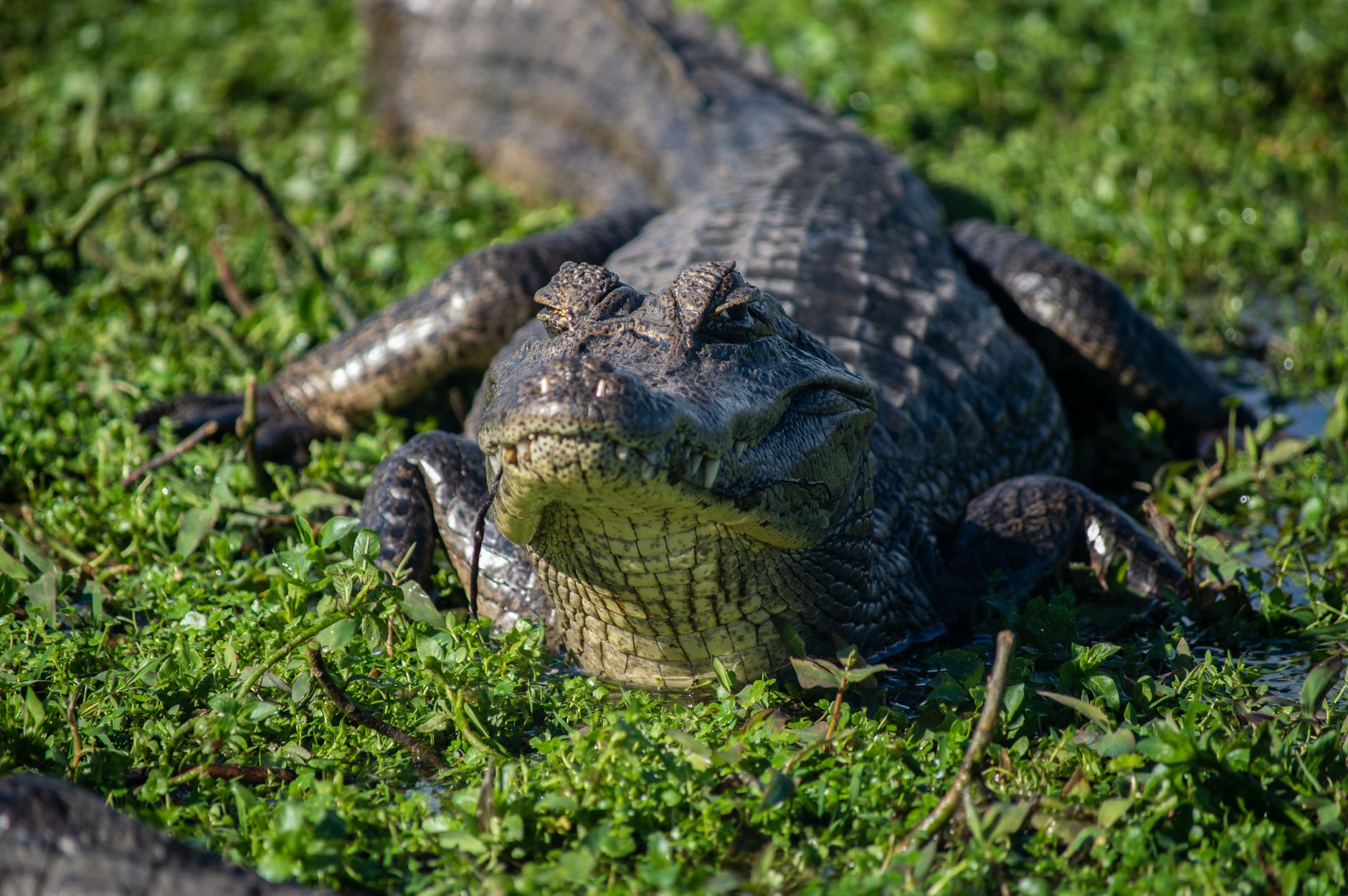
Recent fossil discoveries concerning the early pleistocene fauna in Albacete have captured the attention of paleontologists and cultural travelers alike. Remains of large predators, extinct herbivores, and unique mammal species that inhabited the Iberian Peninsula over a million years ago are coming to light through systematic excavation campaigns. Beyond their immense scientific value, these findings are driving a surge of interest in natural history and paleotourism across the province of Albacete in Castilla-La Mancha, Spain.
For prehistory enthusiasts eager to experience these findings firsthand, the central challenge lies in planning a trip to field sites and exhibition centers without overspending. Between fuel, rural lodgings, meals, and entry tickets, a weekend getaway can quickly become expensive without strategic preparation. This guide breaks down the scientific background of the discoveries and offers actionable tips to maximize every euro on your paleotourism route.

Scientific Context: What Does Early Pleistocene Fauna Reveal in Albacete?
The Early Pleistocene represents a critical timeframe for understanding animal evolution and climate shifts in southwestern Europe. Fossils recovered across Albacete belong to a prehistoric landscape featuring open grasslands, wooded areas, and ancient river basins. In this environment, saber-toothed cats, giant hyenas, ancestral elephants, and diverse ungulates coexisted. Studying the density and preservation of these remains allows researchers to reconstruct complex food webs dating back more than 1.2 million years.
The significance of these sites lies in the exceptional preservation of the geological layers. Unlike other locations where erosion destroyed ancient strata, Albacete's sedimentary conditions preserved complete bone structures and dentition, providing key data on prehistory diets and animal pathologies. This fossil wealth makes the region a reference point for understanding mammal migration routes across the Western Mediterranean, comparable to iconic deposits like the geological formations of Sima del Elefante elsewhere in Spain.
The Paleotourism Boom: Economic Impact and Opportunities
Whenever major fossil discoveries hit headlines, nearby towns experience an influx of visitors. This trend—often termed paleotourism or natural heritage tourism—revitalizes rural communities that traditionally relied solely on agriculture. Rural guesthouses, local shops, and outdoor tour providers see increased demand during weekends and holiday seasons.
However, heightened interest can drive up accommodation and dining rates in towns neighboring visitor centers. During peak spring months, average nightly rates for rural stays can rise significantly if booked at the last minute. Travelers seeking an enriching cultural experience on a budget must plan ahead to avoid unnecessary costs.
Using existing public infrastructure is the best way to control expenses. Rather than paying commercial tour agencies premium rates, visitors can easily build self-guided itineraries using the public museum network of Castilla-La Mancha and municipal tourist information offices, where assistance is free or very low-cost.
What the Featured Video Highlights
In this video (Environmental Restoration of Rambla de Canteras (Cartagena, Murcia, Spain)), key concepts of regional environmental and geological preservation are visually explained. The Segura Hydrographic Confederation carried out habitat restoration work along seasonal water channels, illustrating how landscape management protects natural heritage...
How to Visit Sites and Museums on a Budget
To explore the habitats and fossils of the early pleistocene fauna in Albacete without stretching your finances, balance your itinerary between regional museums and outdoor locations. The Museo de Albacete holds an outstanding collection of archaeological and paleontological artifacts, making it an ideal starting point before heading out into the countryside.
One of the most effective cost-saving tactics is grouping visits geographically. Creating a circular driving route connecting the city of Albacete with outlying excavation zones reduces back-and-forth travel, lowering fuel consumption by up to 25%. Combining museum visits with self-guided hikes along nearby natural trails keeps daily spending well under control.
For travelers interested in broader cost-saving travel techniques, exploring affordable archaeological tourism strategies can provide additional insights into museum passes and low-cost regional travel.
Cost Comparison Table: Planning Your Paleotourism Route
Below is a realistic breakdown of typical expenses for a weekend cultural trip in Albacete for two people (2 days, 1 night):
| Travel Style | Estimated Lodging | Tickets & Guides | Food & Dining | Average Total Cost |
|---|---|---|---|---|
| Self-Guided Budget Route (Off-peak) | €45 - €65 (Hostel / Rural Guesthouse) | €0 - €8 (Public museum passes) | €40 (Groceries + Picnics) | €85 - €113 |
| Standard Weekend Break | €75 - €110 (3-star Hotel) | €12 - €25 (Tickets + Audio guides) | €90 (Local set menus) | €177 - €225 |
| Commercial Private Guided Tour | €120 - €180 (Boutique Hotel) | €60 - €120 (Specialized Guide) | €140 (À la carte dining) | €320 - €440 |
As shown in the comparison, choosing a self-guided route during off-peak periods can save over 65% of the overall budget while maintaining a high-quality educational experience.
Key Saving Strategies for Exploring Fossils in Castilla-La Mancha
Small practical choices made before departure make a major difference in keeping your travel budget intact:
- Take advantage of free admission days: Many state- and regionally-owned museums offer free entry on Sunday afternoons, Saturdays after specific hours, or on special dates like International Museum Day.
- Stay outside primary tourist hubs: Booking accommodation in smaller villages 15 to 20 kilometers outside major towns often cuts room rates by 20% to 35%.
- Pack picnic meals for field days: When exploring geological outcrops or nature trails, bringing a packed lunch saves on highway diner bills and maximizes daylight hours outdoors.
- Carpool or travel in small groups: Sharing fuel costs and tolls among three or four people significantly reduces individual transportation expenses.
- Use student, youth, or senior discount cards: Valid IDs often secure 30% to 50% discounts on entry fees across official cultural facilities in Spain.
- Download free geological PDFs and trail maps: Official regional tourism websites provide free downloadable brochures and maps, eliminating the need to buy printed guidebooks.
Essential Gear & Vehicle Preparation
When exploring countryside locations related to early pleistocene fauna in Albacete, having proper equipment is key to avoiding unexpected expenses. Sturdy hiking shoes with good grip and adequate sun protection prevent slips, blisters, or heat exhaustion that could cut your trip short.
Vehicle readiness is equally important when traveling along unpaved rural tracks. Reviewing your car insurance roadside assistance coverage ensures that a flat tire or minor mechanical issue on a remote road won't lead to expensive towing charges. Similar preparation principles apply when reviewing logistics and access guides for major regional venues.
Common Pitfalls and How to Avoid Them
Even seasoned travelers make mistakes when planning trips to rural cultural destinations. Keep these points in mind:
- Arriving without checking opening hours: Some outdoor sites and local exhibition rooms operate on seasonal schedules or require advance phone reservations.
- Relying solely on credit cards: Mobile coverage in small rural villages can occasionally drop, rendering card terminals offline. Always carry small cash bills for entrance fees or local snacks.
- Buying marked-up souvenir replicas: Shops near major hubs sometimes sell overpriced fossil replicas. Look for educational publications issued directly by scientific institutions instead.
- Ignoring local weather forecasts: Inland Spain experiences sharp temperature swings between day and night. Layered clothing prevents weather surprises.
- Overlooking nearby historical sites: Focusing exclusively on one fossil display can make the drive feel inefficient. Combine your visit with nearby free historical monuments, medieval castles, or local churches.
Applying a smart budgeting approach allows you to appreciate heritage preservation without overspending, whether examining prehistoric fauna or reviewing budget analyses of cultural heritage exhibitions.
Conclusion: Scientific Value Meets Smart Travel
Recent insights into the early pleistocene fauna in Albacete highlight Spain's remarkable prehistoric heritage. Exploring these fossil sites and regional museums offers an exceptional educational experience for families, students, and science enthusiasts.
By prioritizing self-guided routes, direct bookings, shared transport, and local food options, you can enjoy a rich weekend of learning for under €100 overall. Paleotourism in rural areas provides an incredible balance of low costs, authentic cultural engagement, and direct support for communities that preserve natural history.
Frequently asked questions
Which animals made up the Early Pleistocene fauna in Albacete?
During the Early Pleistocene, the region was home to giant hyenas, saber-toothed cats, primitive mammoths, large cervids, and prehistoric equids. Fossil finds reveal a diverse continental ecosystem populated by large carnivores and herbivores.
How much does it cost to visit museums and interpretation centers in the area?
General admission to municipal and provincial museums in Castilla-La Mancha typically ranges between €2 and €6. Many centers offer free entry on Sunday afternoons or discounted rates for students, seniors, and families.
What is the best time of year for a budget-friendly trip?
Spring and autumn offer pleasant weather for outdoor walks and hikes. During these shoulder seasons, rural accommodation prices in Albacete can drop by up to 35% compared to summer peak season or long holiday weekends.
Do you need to hire a private guided tour to see the fossils?
No. You can easily organize a self-guided route visiting provincial archaeological museums and information panels in local municipalities. Free regional guided tours are also available when booked in advance through official portals.


