
Best Energy-Efficient Kitchen Gadgets: Save Money and Reduce Waste in 2026
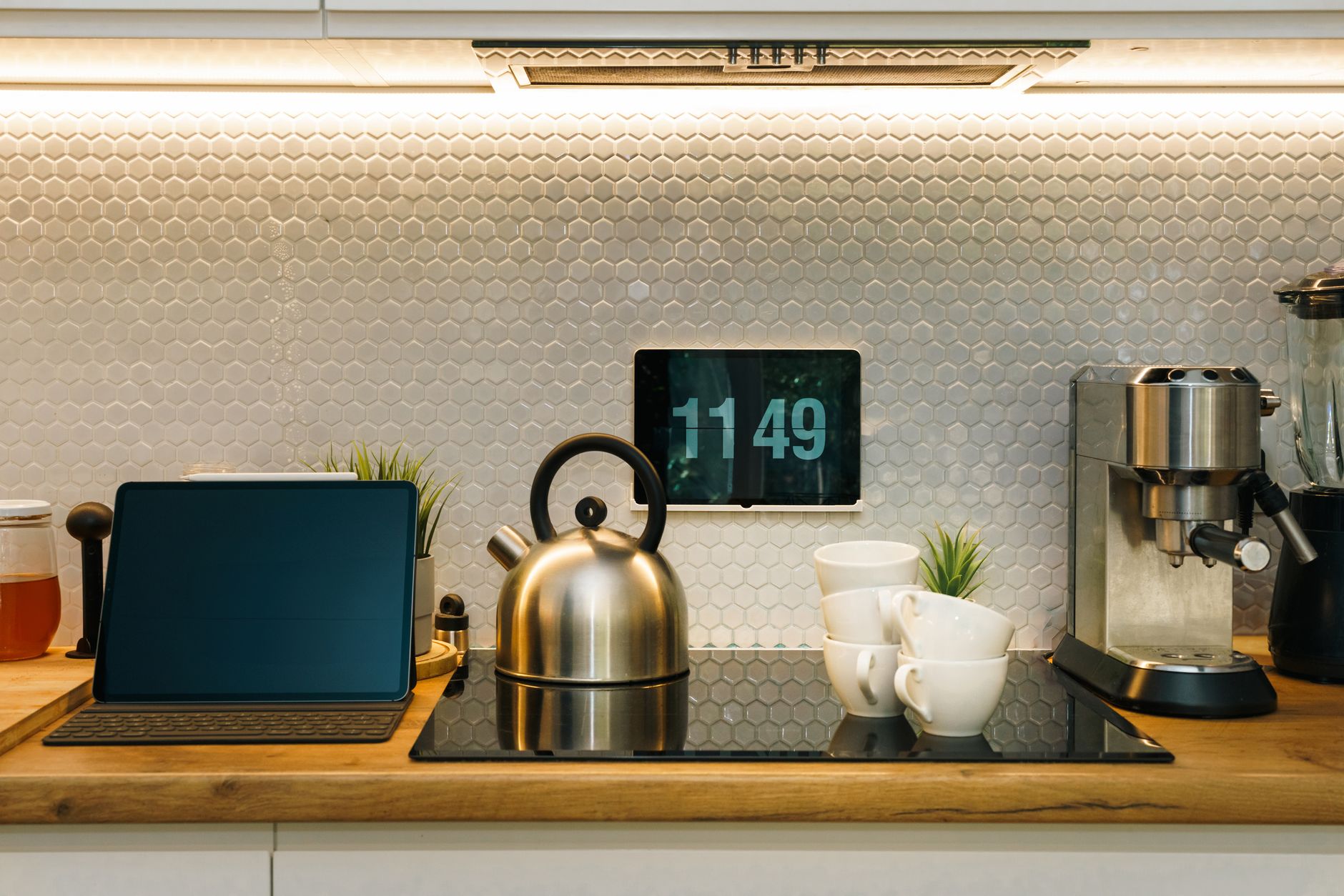
Using energy efficient kitchen gadgets strategically can reduce your monthly food and utility bills by up to 35%. By optimizing cooking times, minimizing food waste with advanced preservation techniques, and lowering electricity consumption compared to traditional appliances, these devices are not just an extra expense—they are a smart financial investment with a measurable return in the short to medium term.

The Financial Impact of Kitchen Tech in 2026
The kitchen is typically the room that consumes the highest percentage of household energy, surpassed only by heating and cooling systems. With fluctuating electricity prices in 2026, optimizing every single kilowatt-hour has become a top priority for household budgets. Introducing specialized technology into this space is no longer just about convenience; it is about keeping operational costs and food waste under tight control.
Food waste is another silent drain on your family budget. It is estimated that the average household throws away 15% to 25% of the food they buy due to poor storage or inefficient meal planning. By integrating devices designed to extend the shelf life of your ingredients, the savings on your grocery bill will quickly offset the initial cost of the equipment.
Therefore, choosing the right culinary tools requires a clear cost-benefit analysis. The goal is not to clutter your countertops with unnecessary appliances that gather dust, but to identify the ones that replace inefficient habits. A rational approach to kitchen tech prioritizes energy efficiency, durable materials, and daily versatility.
Air Fryers vs. Convection Ovens: Real Energy Savings
Air fryers have become the gold standard for quick cooking, but their true value lies in their energy efficiency compared to conventional electric ovens. A standard traditional oven typically draws between 2,000 and 3,000 watts per hour of use. On top of that, it requires 10 to 15 minutes of preheating, which drives up your electricity bill before you even start cooking.
In contrast, a family-sized air fryer consumes an average of 1,400 to 1,800 watts. Because of its compact size and rapid air circulation, it cooks food in about half the time with no need for long preheating. This translates to an energy reduction of up to 60% per cooking session, resulting in noticeable savings on your monthly power bill.
Beyond electricity, the savings on cooking oil are substantial. While traditional deep fryers require liters of oil that must be replaced regularly at a high cost, an air fryer uses just a tablespoon or a quick spray. This change not only benefits your health by reducing saturated fats, but also shields your budget from volatile cooking oil prices.
What the Video Shows
In this video (Smart space-saving kitchen gadgets), you will get a visual breakdown of the essentials. In short: We test compact, space-saving kitchen tools to see if they are actually worth it. Perfect for keeping your kitchen organized and efficient...
Vacuum Sealers and Smart Food Preservation
Food preservation is your strongest weapon against grocery store inflation. Buying fresh produce in bulk or taking advantage of volume discounts is rarely viable if you do not have a reliable way to keep food from spoiling. This is where vacuum sealers prove their financial worth almost instantly.
By removing oxygen from the storage bags, vacuum sealers halt the oxidation process and drastically slow down the growth of bacteria and mold. This allows meats, fish, and vegetables to last up to five times longer in the freezer or fridge, completely preventing the freezer burn that ruins food textures and flavors.
Calculating the ROI of a Vacuum Sealer
To understand the financial impact, let's look at the practical preservation benefits these devices offer:
- Fresh Meats: Extends freezer life from 6 months to nearly 3 years without losing quality.
- Hard Cheeses and Cold Cuts: Prevents surface mold, keeping them fresh in the fridge for months instead of weeks.
- Seasonal Vegetables: Allows you to blanch and freeze surplus garden harvests or cheap seasonal produce to enjoy year-round.
- Individual Portions: Simplifies weekly meal prep, reducing the temptation to order expensive takeout when you are short on time.
- Dry Food Protection: Keeps grains, nuts, and flour safe from moisture and pests for years.
Slow Cookers and Multi-Cookers
Slow cookers are an excellent example of how simple technology can generate massive savings. These devices operate at extremely low wattages, usually between 70 and 250 watts. Even though they run for six to eight hours, their total energy consumption is lower than using an electric stovetop or oven for a single hour.
The economic savings of these energy efficient kitchen gadgets also show up in your grocery cart. Long, low-temperature cooking breaks down the collagen in tougher, cheaper cuts of meat, turning them into incredibly tender and flavorful dishes. This allows you to swap expensive cuts for budget-friendly options without sacrificing the quality of your family meals.
On the other hand, multi-cookers and smart kitchen robots, while requiring a higher upfront investment, replace multiple individual appliances like blenders, food processors, steamers, and scales. By unifying these functions, you save valuable counter space and avoid buying redundant appliances that drive up your household setup costs.

Comparison Table: Efficient Household Kitchen Gadgets
To help you make the best financial decision, we analyzed the estimated purchase cost, relative energy consumption, and the approximate payback period through household savings:
| Device | Estimated Initial Investment | Energy Consumption | Primary Savings Source | Estimated Payback Period |
|---|---|---|---|---|
| Air Fryer (5.5L) | $80 - $150 | Low (1500W, fast cooking) | Electricity and cooking oil | 4 to 6 months |
| Vacuum Sealer | $40 - $90 | Very Low (120W, intermittent use) | Food waste reduction | 2 to 3 months |
| Slow Cooker | $30 - $70 | Very Low (150W, extended use) | Cheaper ingredients & cuts of meat | 3 to 5 months |
| Multi-Cooker / Smart Robot | $250 - $1000 | Medium (1000W, variable use) | Replaces multiple appliances | 12 to 18 months |
| Smart Kitchen Thermometer | $20 - $50 | Minimal (battery operated) | Prevents ruining expensive meats | 1 to 2 months |
Temperature Control and Smart Thermometers
Precise temperature control is a critical factor that is often overlooked when calculating kitchen savings. Overcooking an expensive cut of meat or a delicate piece of fish does not just ruin dinner—it directly wastes the money you spent on those ingredients. Wireless smart thermometers allow you to monitor the cooking process with absolute precision.
These devices send real-time alerts to your smartphone the moment your food reaches its optimal internal temperature, preventing it from drying out or burning. This optimizes your heat source, letting you turn off the stove or oven at the exact right moment and use residual heat to finish the job without wasting extra energy.
To maximize efficiency when using these smart temperature probes, follow these practical steps:
- Insert the probe correctly: Place the sensor in the thickest part of the food, avoiding bones or direct fat pockets for an accurate reading.
- Set pre-target alerts: Program the alarm a few degrees below your target temperature so you can remove the food and let it rest, cooking to perfection with carryover heat.
- Calibrate your devices regularly: Test accuracy by placing the probe in an ice-water bath to ensure it reads exactly 32°F (0°C).
- Use companion apps: Take advantage of temperature graphs to understand how your specific oven distributes heat and adjust accordingly.
- Protect cables and sensors: Avoid exposing probe wires to direct flames or pinching them tightly in oven doors to prolong their lifespan.
Common Mistakes When Buying Kitchen Gadgets
One of the most common mistakes when equipping a kitchen is falling for passing trends and buying highly specialized gadgets that only perform one specific task—like a banana slicer or a single-purpose electric egg cooker. These novelty items end up taking up valuable cabinet space without offering any real return on investment. It is always better to invest in versatile tools that you will use regularly.
Another frequent error is neglecting basic appliance maintenance. For example, failing to clean the air vents on an air fryer or ignoring a worn-out rubber gasket on a vacuum sealer drastically reduces their operating efficiency, forcing the motor to work harder and draw more power. To keep your tech running at peak performance, check out our affordable cooling guide for devices in 2026, where we discuss the importance of keeping ventilation paths clear to prevent premature wear and tear.
Finally, ignoring energy efficiency labels just to save a few dollars on the initial purchase price is a bad financial decision in the long run. An appliance with a poor energy rating will consume far more electricity over its lifespan, quickly wiping out any initial savings. With the arrival of advanced low-consumption technologies in 2026, comparing technical specs before buying is a must. When planning your seasonal purchases, browsing lists of must-have summer gadgets can give you a clear idea of which devices offer the best energy performance during high-use seasons.
Conclusion: Is the Investment Worth It?
Bringing energy efficient kitchen gadgets into your home should not be viewed as a high-tech luxury, but as a smart financial strategy to optimize your household resources in 2026. The key to success lies in consciously choosing appliances that align with your family's actual eating and cooking habits. Buying a vacuum sealer is useless if you do not have the discipline to freeze and organize your portions, just as a multi-cooker won't save you money if you keep ordering takeout.
Ultimately, the true value of modern kitchen technology lies in its ability to give us back control over what we spend and what we consume. By automating and optimizing processes that used to require constant monitoring or excessive energy use, these devices make efficient, healthy cooking accessible to everyone. Investing wisely in high-quality, durable, and low-consumption tools is undoubtedly the best recipe for protecting your wallet without sacrificing the joy of a great home-cooked meal.
Frequently asked questions
Do air fryers really save energy?
Yes, an air fryer uses about 50% to 60% less energy than a conventional oven due to its smaller size and faster cooking times, which noticeably reduces your monthly electricity bill.
Is a vacuum sealer worth buying?
Absolutely. By preventing food waste and allowing you to buy bulk food on sale, a vacuum sealer pays for itself in just two to three months of regular home use.
How much electricity does a slow cooker use?
A slow cooker consumes between 70 and 250 watts per hour. Even when run for several hours, its total energy cost is lower than using a traditional electric stovetop for an hour.
How do I choose the best money-saving kitchen gadget?
Prioritize versatile devices that you will use daily, such as air fryers or vacuum sealers. Always check their energy efficiency rating and avoid highly specialized single-use gadgets that end up forgotten in a drawer.