
How to Save Money on Dairy and Yogurt Amid Rising Food Prices
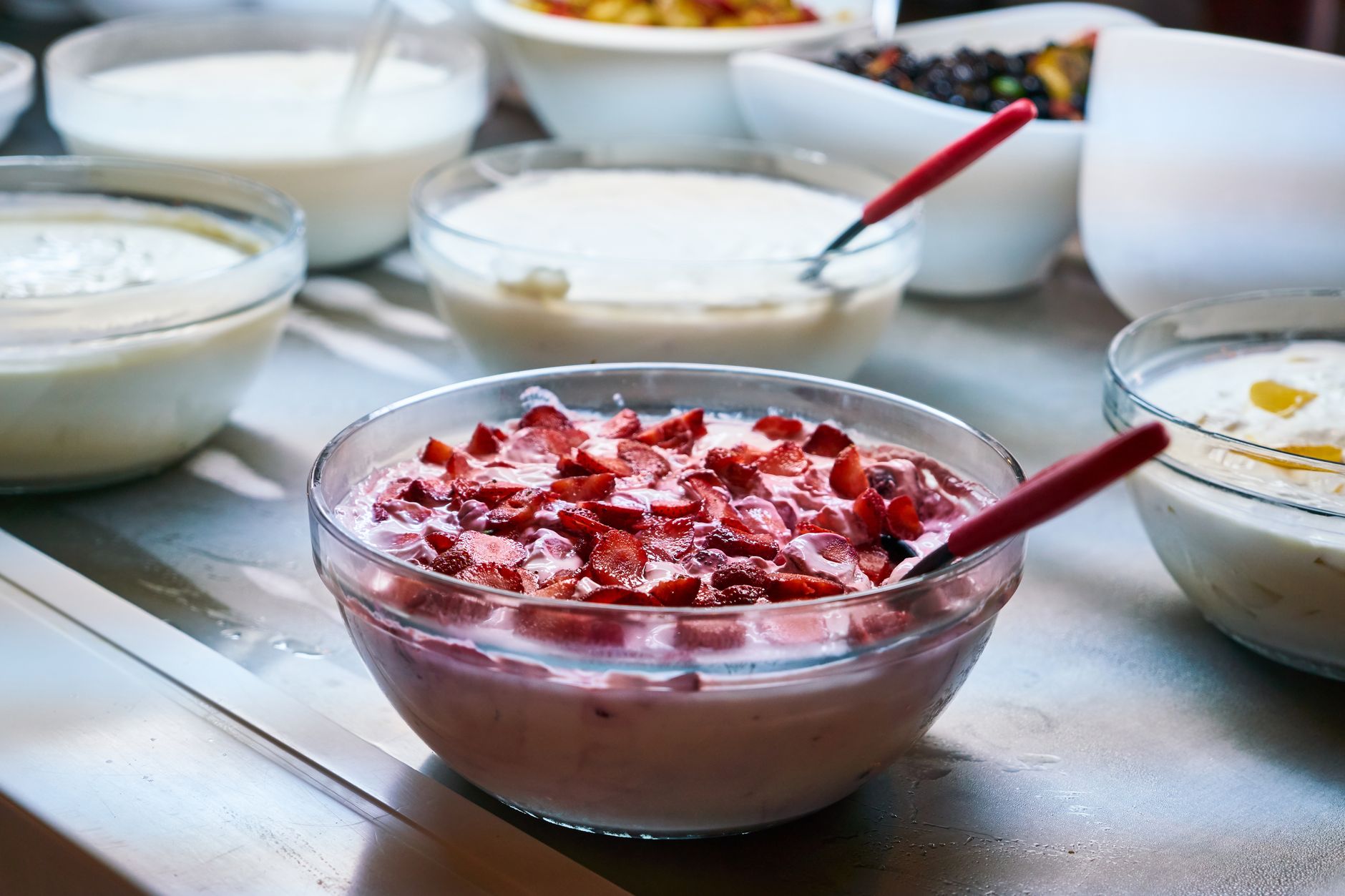
With major food conglomerates continuing to adjust prices upward, household grocery bills are feeling the pressure. Dairy products remain a fundamental staple in most family diets. When major brand manufacturers raise their prices, a domino effect quickly ripples across supermarket shelves. Protecting your household budget without sacrificing essential nutrition requires a fresh look at how you navigate the dairy aisle.
The good news is that you can easily offset these price hikes through strategic shopping habits. By switching to bulk family tubs, choosing premium store brands, or making fermented dairy at home, you can reduce your monthly dairy spending by up to 40%. Lowering your grocery bill does not mean giving up your daily yogurt; it simply means making smarter purchasing decisions.

Why Dairy Prices Are Increasing
Rising dairy prices stem from complex supply chain pressures. Higher costs for livestock feed, stricter environmental regulations on farms, and elevated thermal packaging expenses have tightened production margins. As a result, food processors are passing these operating overheads directly down to retail consumers.
Refrigerated cold-chain transportation energy costs also play a critical role in preserving food safety from farm to store. When refrigerated freight becomes more expensive, final retail prices inevitably climb. Recognizing these macroeconomic shifts helps explain why premium brand pricing keeps rising well beyond general inflation.
Furthermore, major national brands leverage consumer brand loyalty to push price adjustments with minimal pushback. However, as cumulative inflation impacts household finances, smart shoppers are moving away from single-unit pricing and focusing heavily on price per pound or kilo—revealing massive price gaps between virtually identical product formulas.
The Real Cost to Your Monthly Budget
Calculating the true impact of minor dairy price hikes highlights how fast small numbers add up. A family of four typically consumes between 16 and 24 individual yogurt cups per week, alongside milk and cheese. A small increase of just $0.05 to $0.10 per cup translates into an extra $50 to $100 per year on a single item.
The real issue isn't a single ten-cent price increase; it is the cumulative effect across the entire dairy cooler. Kids' desserts, yogurt drinks, smoothies, and specialty functional milks have all experienced double-digit percentage gains. Combined, the dairy category can easily consume over 15% of a family's total grocery budget.
To protect your wallet, evaluate the unit cost of every dairy item you buy. Many households stick with specific brands out of habit rather than quality differences, missing out on store-brand alternatives that offer identical nutritional benefits at a fraction of the cost.
Video Breakdown
Visual aids and shopping practicals offer great insights into cutting supermarket spending. Watching actionable walkthroughs can help you identify impulse buys and swap them for high-value alternatives in real time.
Cost Comparison: Shopping Options Breakdown
Comparing average market prices for plain unsweetened yogurt reveals significant potential savings across different purchasing methods:
| Shopping Option | Avg. Price per kg ($/€) | Cost for 500g (4 servings) | Estimated Annual Cost (Family of 4) | Savings vs. National Brand |
|---|---|---|---|---|
| Leading National Brand | $3.80 | $1.90 | $316.00 | 0% (Baseline) |
| Store Brand (Private Label) | $1.90 | $0.95 | $158.00 | 50% |
| Bulk 1kg (32oz) Family Tub | $1.60 | $0.80 | $133.00 | 58% |
| Homemade (Yogurt Maker) | $1.10 | $0.55 | $91.00 | 71% |
As shown above, switching to bulk tubs or private-label options creates substantial annual savings. A household can save over $150 a year on plain yogurt alone—savings that compound when applied across milk, butter, and cheese.

Effective Strategies to Save Money on Dairy and Yogurt
Cutting costs does not mean giving up the health benefits or rich flavor of fermented foods. Here are practical rules to optimize your daily dairy purchases:
- Buy 32 oz (1 kg) family tubs: Large containers significantly reduce the cost per ounce by eliminating individual plastic packaging. They also allow you to portion out exact servings, cutting down on food waste.
- Read ingredients, not logos: Check label contents to ensure the product contains simple pasteurized milk and live active cultures. Many store brands are manufactured by top dairy producers using identical production lines.
- Choose plain yogurt over flavored varieties: Flavored yogurts carry heavy markups and high levels of added sugar. Buying plain whole milk yogurt and adding fresh fruit or honey at home is healthier and far cheaper.
- Look for clearance discounts: Supermarkets frequently mark down dairy items near their best-by date by 30% to 50%. Buying these for immediate consumption offers instant savings.
- Skip unnecessary fortified products: Specialty items with added plant sterols, extra protein, or synthetic vitamins can double the price tag. Unless medically prescribed, a balanced diet provides these nutrients naturally without the markup.
Smart household financial planning reduces daily stress. In the long run, taking a proactive approach to shopping pairs naturally with broader lifestyle balance and preventive wellness practices.
Is Making Yogurt at Home Worth It?
Home fermentation has become an increasingly popular way to bypass dairy inflation. To make plain yogurt at home, all you need is a quart of milk and a single tablespoon of plain active yogurt or starter culture. Keeping the mixture at a steady 110°F (42°C) for 8 to 12 hours yields thick, creamy yogurt.
Economically, a basic low-wattage yogurt maker pays for itself within three to four months of regular family use. The electricity cost per batch is negligible. Homemade yogurt contains zero added stabilizers or synthetic thickeners, delivering exceptional freshness for pennies per portion.
Milk kefir is an even cheaper probiotic alternative. Kefir grains can be reused indefinitely when properly maintained, fermenting at room temperature without requiring any electricity at all.
Affordable Dairy Alternatives
When traditional yogurt prices climb, exploring high-protein dairy alternatives keeps nutrition high and costs manageable. Tubs of whipped cottage cheese or quark offer outstanding protein profiles with a lower cost per gram of protein than boutique Greek yogurts.
Traditional ricotta or curd cheeses are also cost-effective options due to simpler processing requirements. They preserve the high biological value of whey protein and work great for breakfast bowls paired with nuts or seeds.
Making informed healthcare and dietary choices pays off over time. For more on health trends and preventive planning, check out how developments in personalized medicine in 2026 are transforming individual wellness and savings.
Common Mistakes When Cutting Dairy Costs
Avoid these frequent shopper errors that can end up costing you more in the long run:
- Buying oversized multipacks without checking expiration dates: Bulk deals aren't savings if half the container spoils before you finish it.
- Confusing dairy desserts with real yogurt: Puddings, flans, and flavored mousses sit in the same refrigerated aisle but offer little nutritional value while charging premium prices for sugar and oil.
- Ignoring unit prices on shelf tags: Comparing retail package prices instead of price per ounce or kilogram leads to poor value choices across different container sizes.
- Replacing milk with low-density plant milks: Some commercial oat or almond milks carry high prices despite containing as little as 2% to 5% actual nuts or oats, essentially charging premium rates for filtered water.
- Leaving product behind in containers: Up to 8% of yogurt sticks to the sides of plastic containers. Scraping tubs thoroughly prevents unnecessary waste.
Final Verdict
Rising dairy prices reflect real supply chain challenges, but consumers are not powerless. Grocery spending is one of the most flexible parts of a household budget, giving you full control over how you respond.
By stepping away from brand-name loyalty, embracing store brands, buying bulk tubs, or fermenting yogurt at home, you can protect your wallet without sacrificing nutritional quality. Smart spending habits lower your bill today while building long-term grocery strategy.
Frequently asked questions
Why are brand-name dairy products getting so expensive?
Rising costs for livestock feed, cold-chain transport, energy, and eco-friendly packaging have increased overall production expenses. Major manufacturers pass these operating costs on to retail consumers to preserve profit margins.
How much can I save by buying store-brand yogurt?
Switching from national brands to store-brand (private label) dairy items generally saves between 35% and 50%. For a family of four consuming daily yogurt, this can cut annual spending by $150 to $240.
Is making homemade yogurt with a yogurt maker cost-effective?
Yes. Using whole or reduced-fat milk, homemade plain yogurt costs roughly $0.12 per serving compared to $0.35 to $0.50 for a standard commercial single-serve cup. The initial equipment cost is typically recouped within a few months.
Does buying cheaper store-brand dairy compromise nutritional quality?
Not usually. Store-brand dairy products are frequently produced by the same major suppliers adhering to identical health standards. Always check the ingredient list to ensure there are no unnecessary added sugars or starches.