
How to Save Money with Smart Home Technology: A Complete Guide
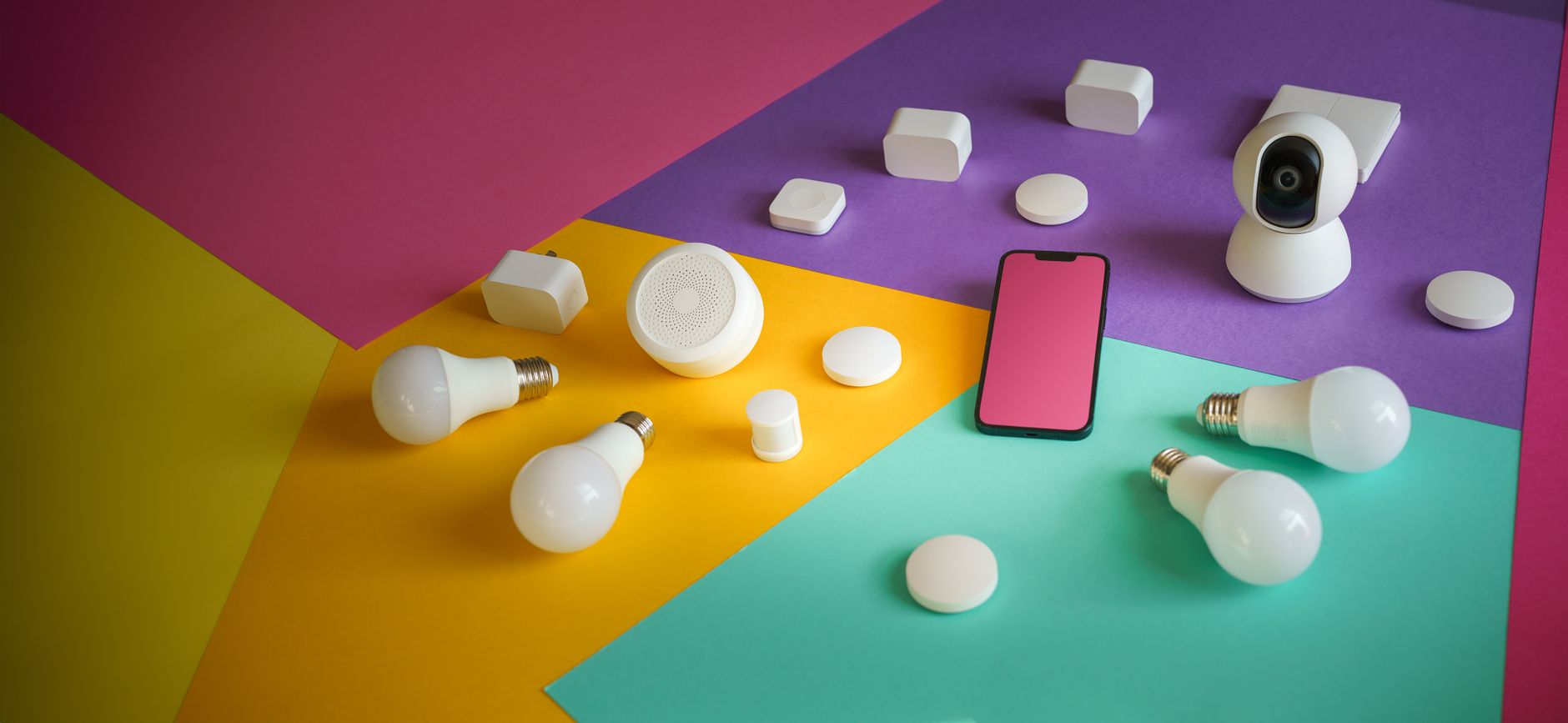
Implementing smart home technology has transitioned from a futuristic luxury to one of the most effective money-saving tools of 2026. By integrating automated systems, households not only gain comfort and order but also experience immediate financial relief on their monthly electricity, gas, and water bills. In fact, a well-configured climate control and energy management system can pay for itself in less than twelve months, generating recurring net savings from the second year onward.
To optimize your home's resources, the key lies in smart planning and choosing devices that offer a real return on investment (ROI). Many people associate home automation with unattainable costs, but the market shows that small, strategic investments in sensors, smart plugs, and programmable thermostats deliver a positive and measurable economic impact from day one.

The Real Economic Impact of Smart Automation
The primary driver behind adopting smart home technology is resource efficiency. Smart thermostats, for example, analyze household habits and external weather conditions to adjust temperatures dynamically. This prevents heating or air conditioning systems from running at full power when the house is empty, drastically reducing energy waste.
In terms of lighting, replacing traditional bulbs with connected LED systems allows you to program automatic shut-offs and adjust brightness based on available natural light. You no longer have to worry about lights left on in empty rooms or hallways. Motion sensors and automated routines manage the electrical flow, translating directly into a reduction in monthly kilowatt-hours consumed.
Additionally, real-time monitoring offered by these platforms allows users to identify which appliances consume the most standby power (often called vampire draw). By knowing exactly how much energy each appliance uses, families can easily make informed decisions about when to run them, taking advantage of cheaper off-peak electricity rates and avoiding unexpected spikes in utility bills.
Key Smart Devices and Their Return on Investment (ROI)
To understand the financial benefits of digitizing a home, it is essential to analyze the initial cost against the estimated savings each technology provides. Not all devices offer the same financial return, so prioritizing those with a fast payback period is crucial for tight budgets. Climate control and lighting management lead the list of the most profitable short-to-medium-term investments.
Below is a detailed comparative table with estimated costs and payback periods based on standard household use in 2026:
| Smart Device | Average Initial Investment | Estimated Annual Savings | Payback Period |
|---|---|---|---|
| Smart Thermostat | 120 - 200 EUR | 150 - 250 EUR | 9 to 12 months |
| Smart Plugs (4-Pack) | 35 - 50 EUR | 40 - 60 EUR | 10 to 12 months |
| Automated LED Lighting | 80 - 150 EUR | 70 - 120 EUR | 12 to 15 months |
| Smart Radiator Valves | 150 - 280 EUR | 180 - 300 EUR | 10 to 14 months |
| Water Leak Sensors | 40 - 80 EUR | Prevents severe damage (1000+ EUR) | Immediate in case of a leak |
As shown in the table, most of these devices pay for themselves within their first year of operation. In addition to reducing ongoing utility expenses, installing these systems often increases the market value of the property, making it more attractive and efficient for future buyers or renters.
What the Video Explains
In this video (7 ERRORES que DEBES EVITAR al empezar tu CASA INTELIGENTE 🏠 Mi Experiencia), the creator visually explains the essentials of starting a smart home. In short: they share 7 mistakes you should avoid when starting your smart home journey, along with 7 starter devices to prioritize.
How to Manage Energy Consumption Without Sacrificing Comfort
Home organization is not just about tidying up physical objects in closets and shelves; it also covers the efficient management of energy flows and daily tasks. Using smart plugs allows you to schedule high-consumption appliances, such as electric water heaters or dehumidifiers, to operate exclusively during off-peak hours when electricity rates are lowest.
To avoid organization mistakes that reduce space at home and create visual clutter, centralized control devices help unify home management. Instead of dealing with multiple remote controls and scattered cables, mobile apps and voice assistants allow you to coordinate your entire home environment from a single, clean, and accessible interface, improving both the aesthetics and functionality of shared spaces.
The evolution of smart home software also plays a vital role. Tech giants have introduced advanced solutions integrating artificial intelligence to automate these tasks predictively. For example, systems like Apple's homeOS and AI smart home solutions demonstrate that managing home comfort no longer requires constant user intervention, optimizing consumption completely autonomously.

The Smart Kitchen: Reducing Food and Energy Waste
The kitchen is the heart of any home and, at the same time, one of the rooms that consumes and wastes the most resources. Integrating smart home technology into this space helps optimize both food storage and appliance performance. Smart refrigerators with internal cameras allow users to view their inventory while at the grocery store, preventing duplicate purchases and reducing food waste.
Using practical kitchen organization tips to improve space, combined with smart technology, yields exceptional results. Connected induction cooktops and ovens with smart cooking sensors ensure that energy is only applied for the exact time needed, preventing the kitchen from overheating and significantly reducing electricity consumption compared to conventional appliances from a decade ago.
Furthermore, automating pantry inventory through mobile apps allows you to plan weekly meals based on available ingredients. This not only optimizes storage space inside cabinets and drawers but also significantly reduces monthly grocery spending by preventing products from expiring before they are used. The financial savings from a well-organized, high-tech kitchen can exceed 400 EUR annually for an average family.
Common Mistakes When Implementing Smart Home Tech
Despite the clear benefits of home automation, many users make strategic mistakes during installation that limit financial savings or complicate daily usability. Identifying these errors early is vital to prevent a tech solution from becoming a financial headache.
Here are the most common mistakes identified by home integration experts:
- Buying incompatible devices: Purchasing products from different brands that cannot communicate under the same protocol or central ecosystem, forcing you to use multiple apps.
- Ignoring network security: Failing to change default passwords on connected devices, exposing your home network to security vulnerabilities and privacy risks.
- Overcomplicating the initial setup: Buying complex and expensive systems for the entire house before checking if your existing Wi-Fi network can handle the data traffic load.
- Failing to set up time-of-use schedules: Leaving devices on factory settings without programming routines that take advantage of cheaper off-peak electricity rates.
- Neglecting battery maintenance and updates: Forgetting to update device firmware or delaying battery replacements, which leads to connection failures and loss of automated control.
A Budget-Friendly Action Plan to Automate Your Home
You do not need to perform a complete home renovation or spend thousands of dollars to enjoy an efficient and comfortable home. A progressive, well-planned approach allows you to maximize savings with a very modest initial budget.
To achieve a successful and affordable transition to automation, follow this structured action plan:
- Audit your current energy consumption: Analyze your utility bills from recent months to identify where the highest energy costs occur.
- Optimize your home Wi-Fi network: Ensure your internet signal is strong and stable in every room where you plan to install new smart devices.
- Start with lighting and smart plugs: Install a basic kit of smart bulbs and plugs to control high-consumption appliances and set up your first auto-off routines.
- Add a compatible smart thermostat: Select a model that integrates with your existing virtual assistants and program the ideal temperature based on when you are actually home.
- Monitor and adjust results: Review your consumption statistics monthly via smart apps to correct inefficiencies and fine-tune your automations for even greater savings.
Future Outlook and Expert Opinion
In 2026, smart home technology has reached a level of technical maturity that makes it accessible for all budgets. Artificial intelligence is no longer a future promise; it is an invisible assistant actively managing climate control, security, and lighting in our homes, ensuring that every cent spent on energy is fully optimized.
From my perspective as a home economics specialist, transitioning to a connected home should not be viewed as a superficial tech expense, but rather as a strategic financial investment. True comfort is not just about controlling your lights with your voice; it is the peace of mind that comes from knowing your home is actively working to lower your monthly expenses and protect your household budget from fluctuating energy markets.
Frequently asked questions
How much money can you save with smart home technology?
The average savings range between 15% and 30% on electricity and gas bills. This translates to an annual savings of 200 to 500 EUR for a typical family home, depending on the level of automation and the proper programming of climate control devices.
What is the initial cost to start automating a home?
You can start basic automation for under 100 EUR using a pack of smart LED bulbs, programmable smart plugs, and a motion sensor. A complete system including a smart thermostat and advanced climate control automation may require an investment of 300 to 600 EUR.
Do I need a very fast internet connection for smart home devices?
An extremely fast connection is not required, but you do need a stable network with good coverage. Most smart devices consume minimal bandwidth. The most important factor is having a quality router capable of managing multiple simultaneous connections without bottlenecking.
How do smart plugs help reduce electricity bills?
Smart plugs allow you to schedule devices to turn off completely, eliminating vampire power draw (standby consumption). They also let you run high-consumption appliances, like water heaters or dehumidifiers, strictly during off-peak hours when electricity rates are much cheaper.